Appraisal

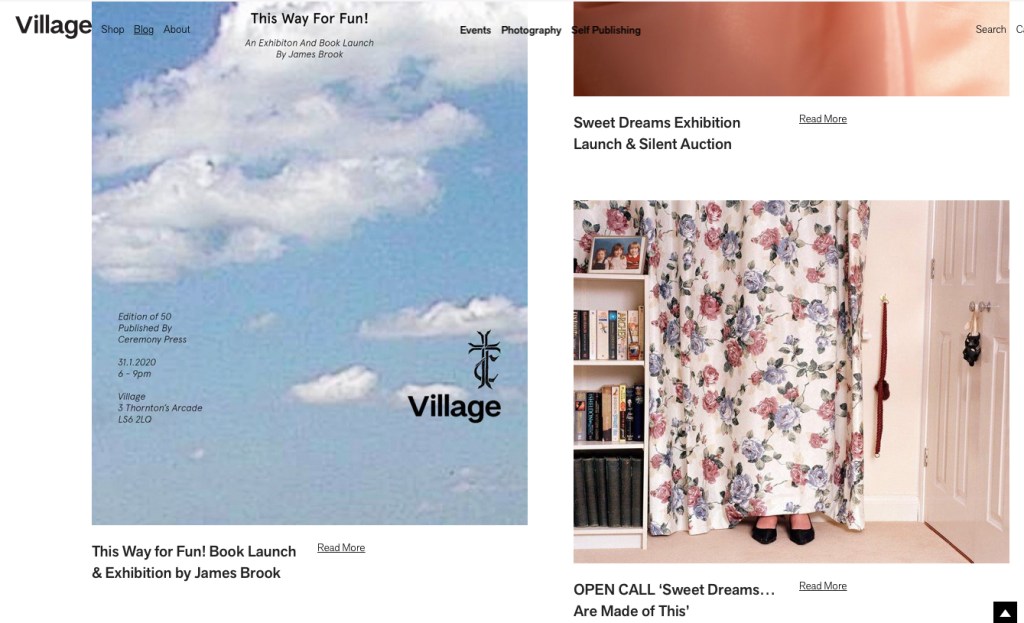
To conclude, I have found this module particularly useful for gaining knowledge of where I could publish my work and how I can interact with fellow Leeds based photographers. Prior to completing this module, I was unaware of Mini Click Talks and places like Village Books. Attending talks can provide networking opportunities, and this can also be achieved by visiting Village, as they host small exhibitions and photo book release launches.

A task which I found particularly useful for future opportunities was collaborating with creative writing students on the Cluster based task. Completing this task introduced me to the students, and I may choose to collaborate with them again in future to produce work such as more photo books, as this is an area of work I am particularly interested in.

I also would like to collaborate with students on the fashion course, as fashion photography is a genre I really like to produce work for. This would improve my communication skills and confidence when it comes to working with others, which are two skills I would need when working professionally in the industry.

In future I would like to enter photography competitions, as I am yet to enter a competition. This would help to give my work greater exposure and it would be beneficial and fun to work to different briefs. I am also keen to submit my work to magazines such as NEST for the same reasons.

Another way I would like to continue my development photographically is by engaging in more self-led projects. Before university I completed a lot more personal work than I do currently, and completing this work allowed me to see what areas of photography I am most interested in and allowed me to practice my skills such as in-camera techniques.

As previously mentioned, my skills in the studio are slowly improving, and completing self-led shoots in this environment would help my skills to develop further. Moreover, it is essential that I attend as many studio workshops as possible in order to further develop my skills in the studio and gain as much professional advice regarding lighting equipment and techniques as possible.

Another way I could develop further is by directly contacting photographers. This would help to deepen my understanding of their work and would provide useful insight into their creative process. Most importantly, this could act as beneficial primary research for future modules.

Although this hasn’t been possible due to financial implications, I am keen to attend future university trips abroad. Going on these trips will allow me to capture new imagery in a completely different place, and whilst abroad I could attend exhibitions and talks which otherwise would not be available to me, widening my understanding and interest in the greater worldwide industry. In order to make this possible in future I would need to commit to saving money, and I definitely plan to do so, meaning I can attend trips in level 5/6 of my programme. (495 words)
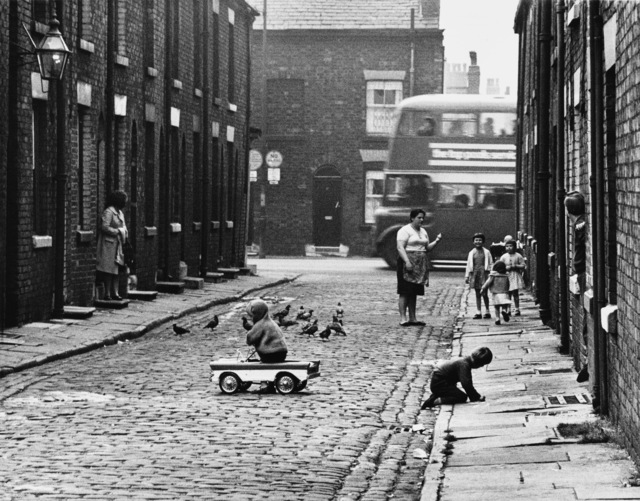
Through the Eyes of Shirley Baker- a talk

On the 25th January, I attended a talk on Shirley Baker’s work at the Hyde Park Picture House led by Lou Stoppard, Griselda Pollack and Anna Douglas.

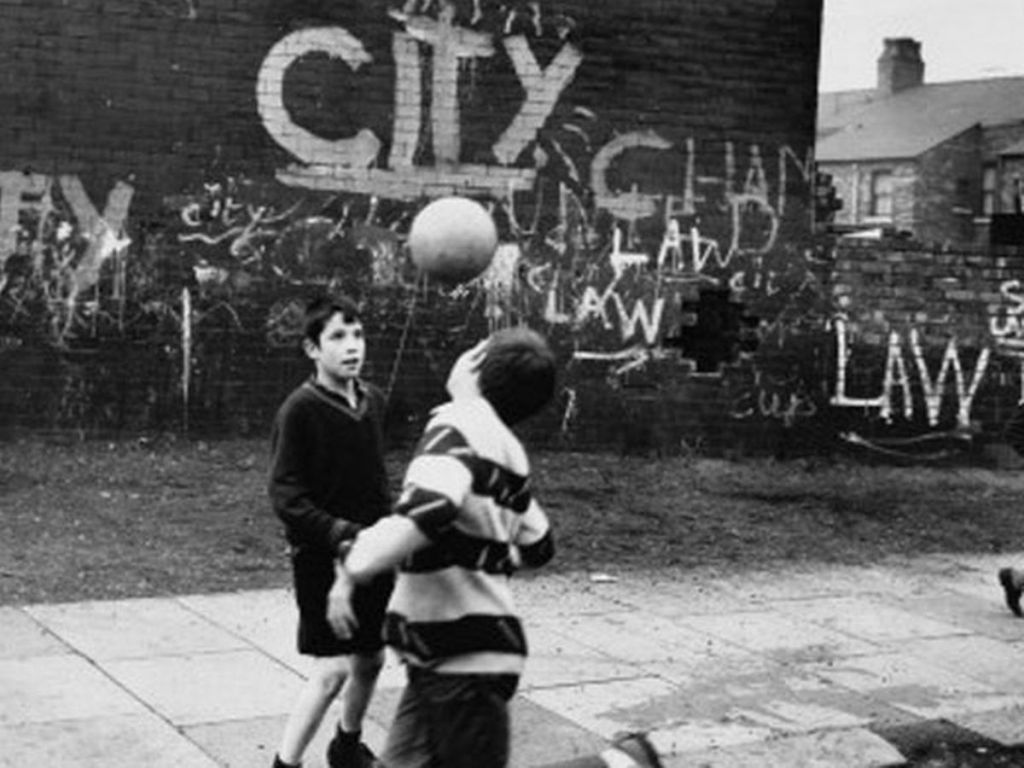
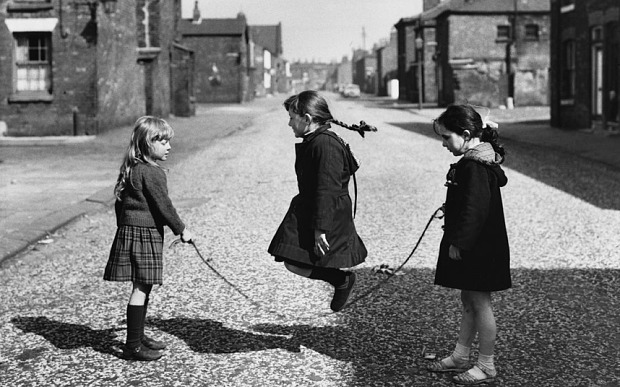
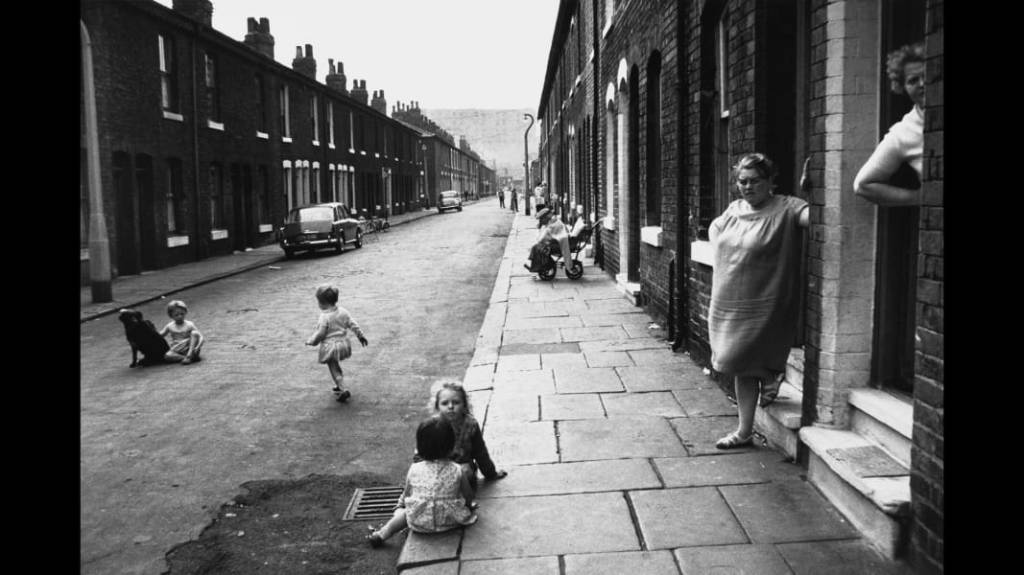
Shirley Baker, who was born in 1932 and passed away in 2014, was a social documentary photographer who captured street photography images in the post war era. Around this time Britain faced a recession, and the social care system faced serious neglect.

Through her images Baker attempted to show the reality of every day life of people living within the era, but in a warm and compassionate way which aims to remember people from disadvantaged groups, who may have otherwise been forgotten. Subject matter captured by Baker includes children playing with debris from the war, and people walking their dogs. In the frame Baker commonly included architecture, which further emphasised what struggles people in the time period faced through damaged housing.

Attending the talk sparked my interest in portraying society through documentary photography, as this links to my concept for my photo book module. Like Baker I may choose to include images of people and architecture in my work to reflect a lack of money being invested into certain places.

Engaging with Organisations to Benefit My Photographic Interests

One of the modules which I have really enjoyed so far this year is Photography and the Printed Page. As I have mentioned, my concept for this module was to reflect how the majority of the most deprived places in the UK are in the North, and through completing this module I have been able to visit a number of places in order to photograph them, which is something I really enjoy doing.

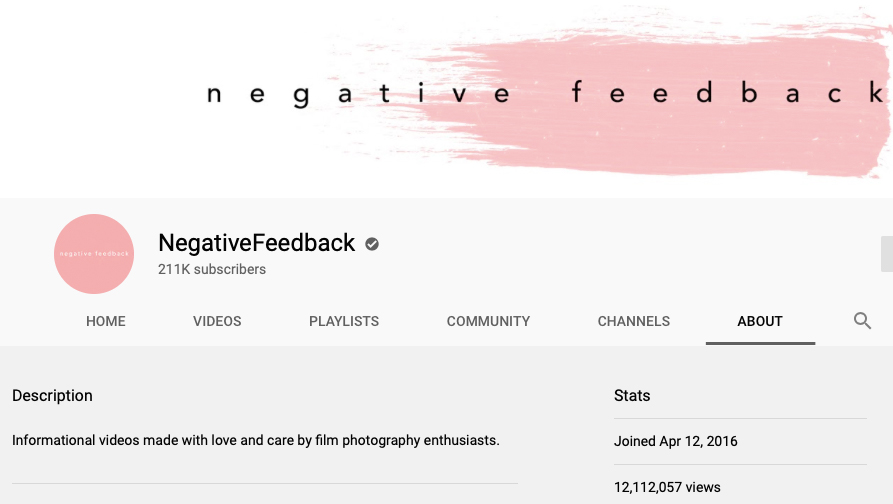
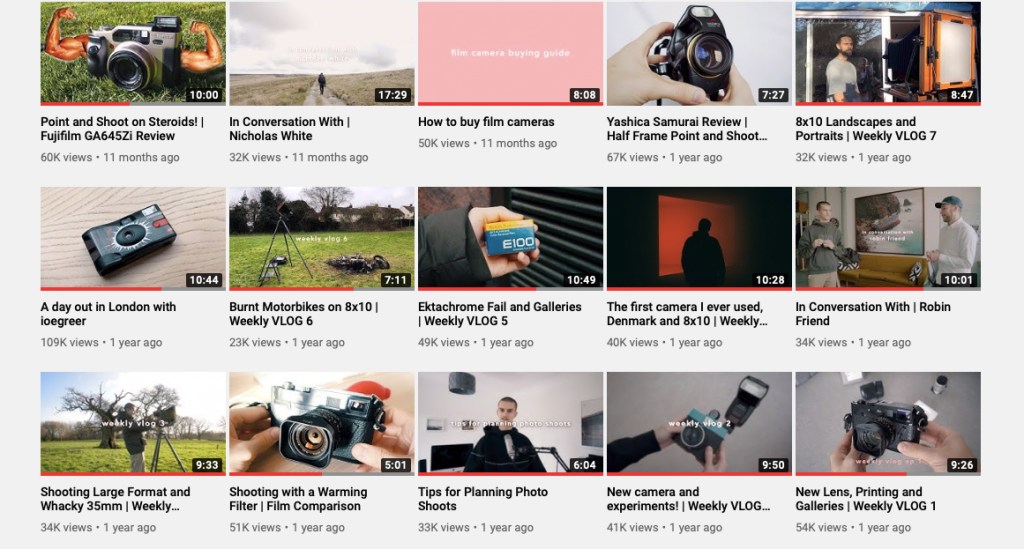
I am currently in the process of producing a photo book of the imagery I have captured so far. One of the inspirations for my photo book is a photographer called George Muncey, who produces YouTube videos surrounding his photographic work under the channel name Negative Feedback.

Muncey’s channel consists of YouTube videos regarding a range of matter involving photography, such as the cameras and settings he uses, places he visits to photograph and what his reason for photographing them is, and galleries and photo books he engages with.

George Muncey inspired my love of photographing places, and his videos regarding the cameras and equipment he uses has allowed me to increase my knowledge of analogue photography, and I am keen to learn how to shoot using medium format cameras for future work.

In addition, Muncey’s YouTube channel has directed my attention towards galleries, photo books and photographers relevant to landscape and documentary photography, and I plan to engage with these in future.

As previously mentioned, I have visited Village Books in Leeds, and they sell a number of photo books and host events for exhibitions and launches. Attending photo book launches in Leeds will help me to find new photo books relevant to projects like the ones I am completing, and I regularly check the stores blogs to find upcoming events which I could attend.

Another organisation I could get involved with is Salt n Pepper Press; an independent publisher based in Leeds. Salt n Pepper Press have released a number of photo books, and I could attend future photo book launches, and maybe even try to get a photo book of my own published.

Becoming Better Aquatinted with the Studio

One of the challenges I have faced so far this academic year is my confidence when it comes to using the studio. As I generally shoot on location, prior to the Studio Practice module I was not used to using studio lighting or setting up the studio.

Over the course of completing my studio practice module I am now a lot more confident in the use of the studio. I am now able to use appropriate settings on the studio lights to produce the type of lighting that I want, and I have learned how to use Capture One on the desktops so that I can shoot tethered. I wasn’t using this technology prior to the module, and learning to use it has improved my imagery, as I am now able to check that my images are in focus, that the lighting is appropriate and that I am generally happy with my imagery on a larger scale than on the small screen on the DSLR.

Increasing my confidence in the studio will benefit me in future university modules, and in future I would like to experiment using lighting ratios and various equipment to produce more advanced lighting techniques, as up until now I have been producing imagery using even lighting which is fairly simple to do.

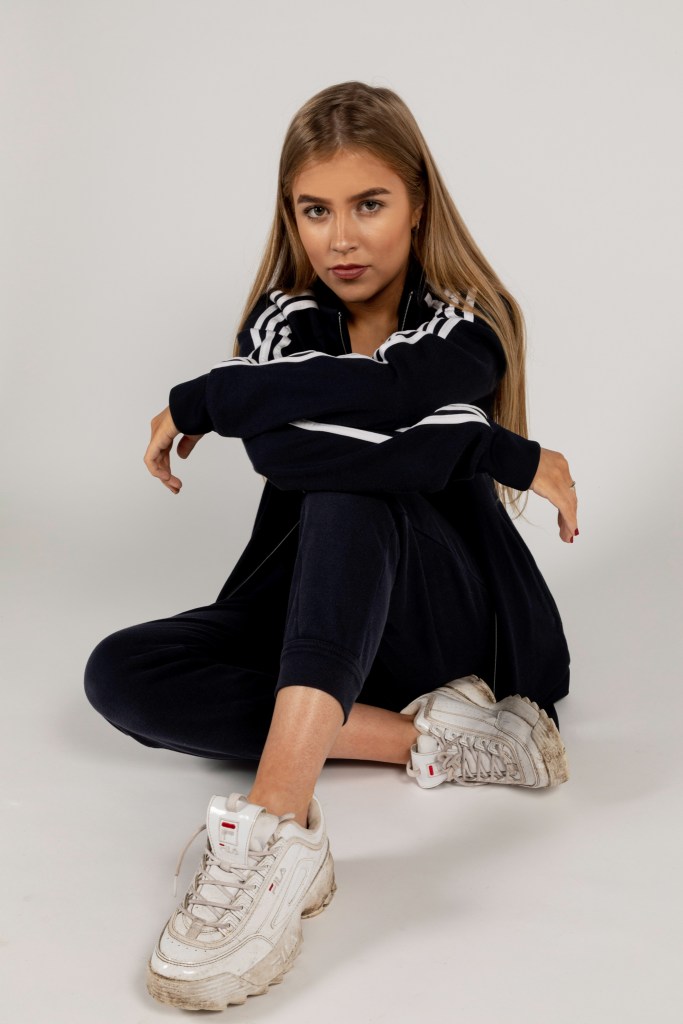
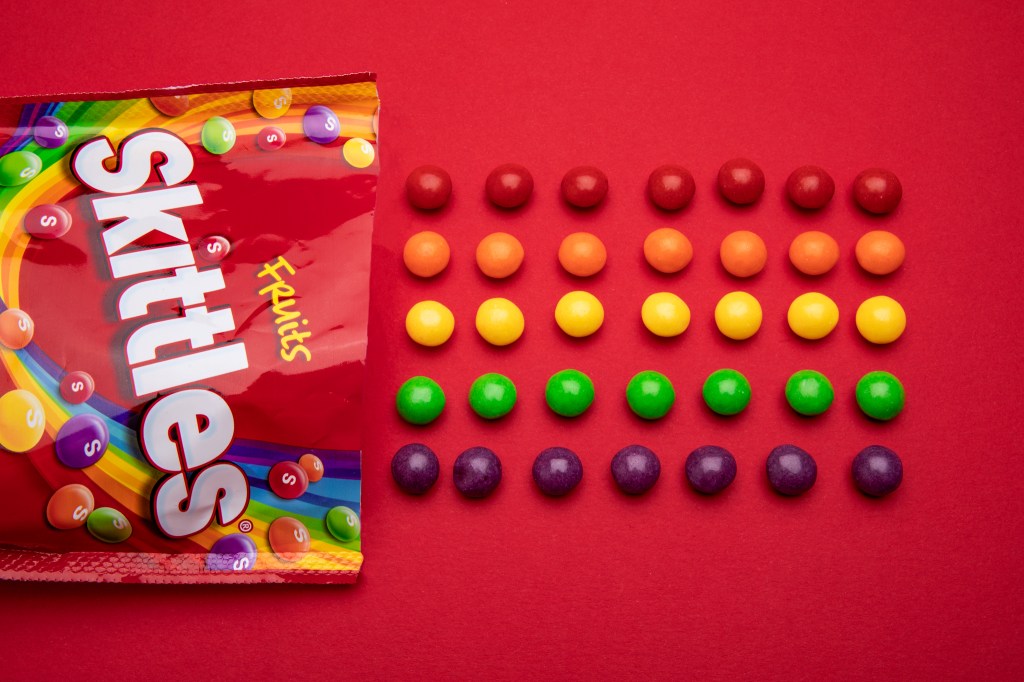
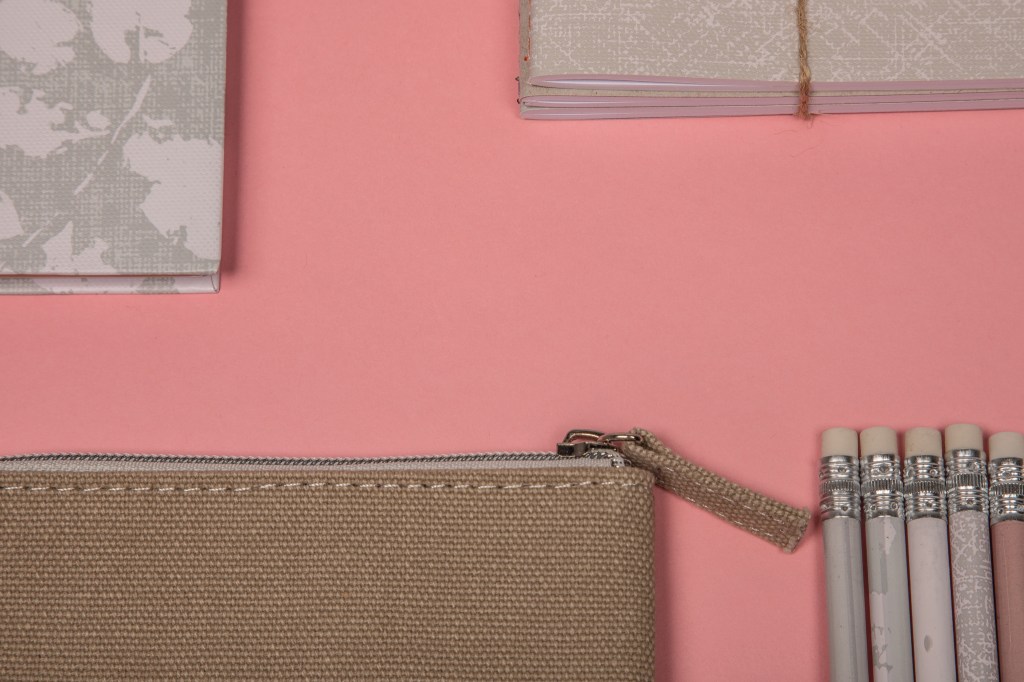
Included below are some of my favourite images that I have produced this year in the studio.

Overcoming Challenges Imposed by COVID-19

Due to the current restrictions put in place because of COVID-19, this has meant that I have not been able to access the studio in university as much as I would have liked to.

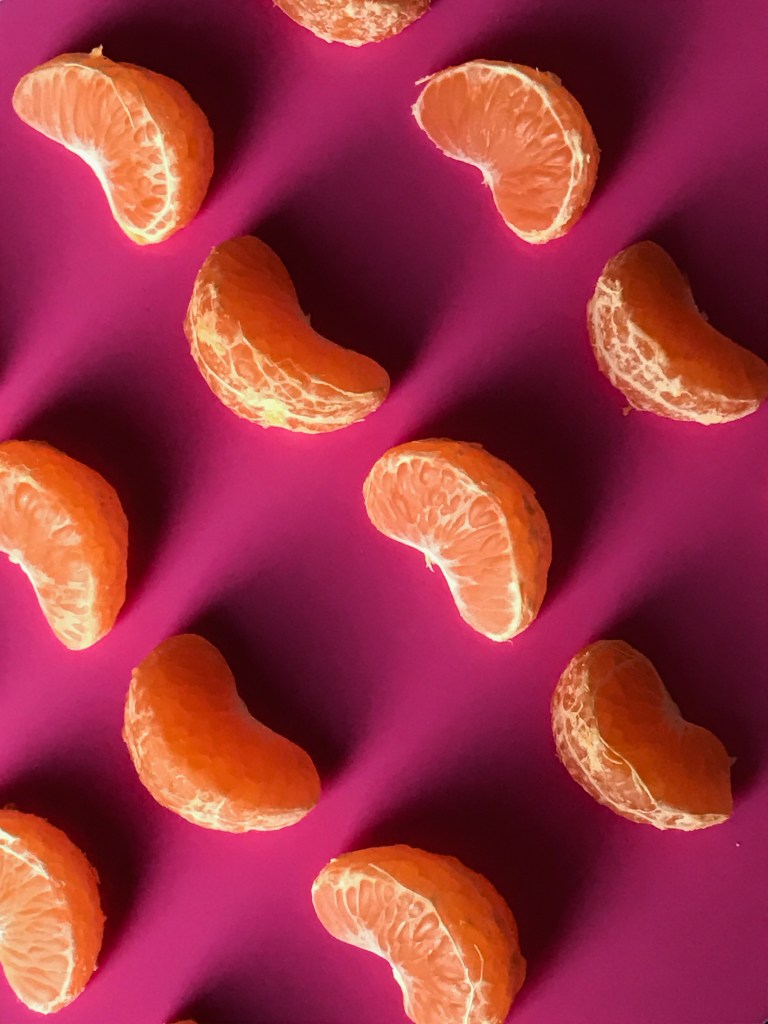
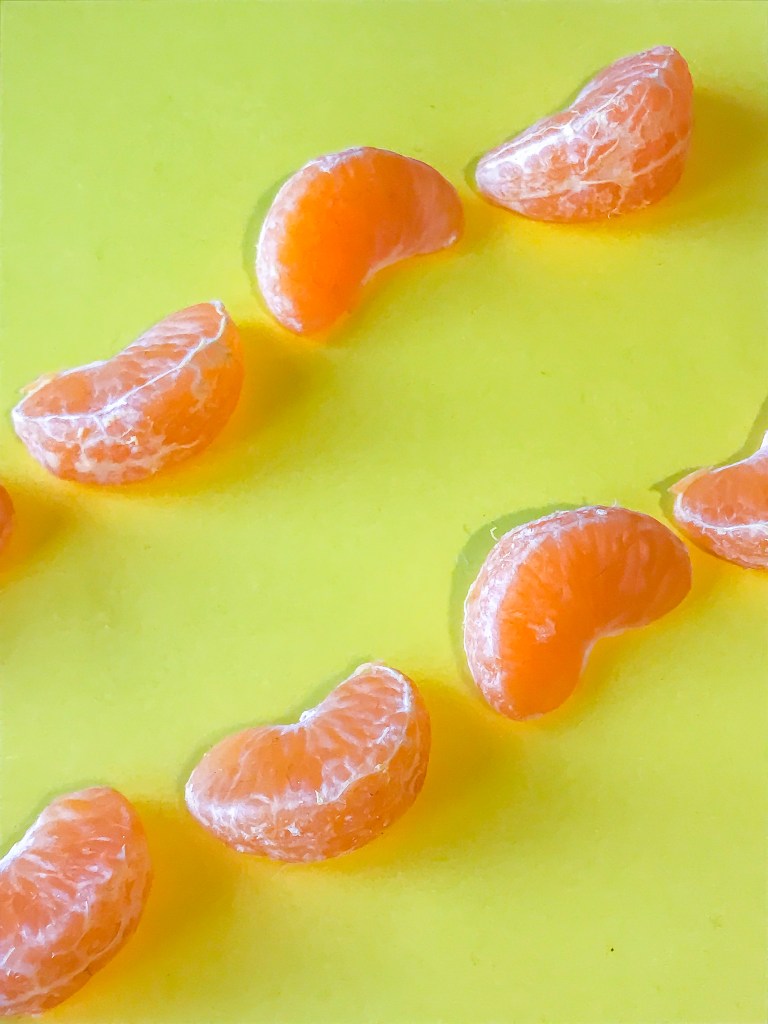
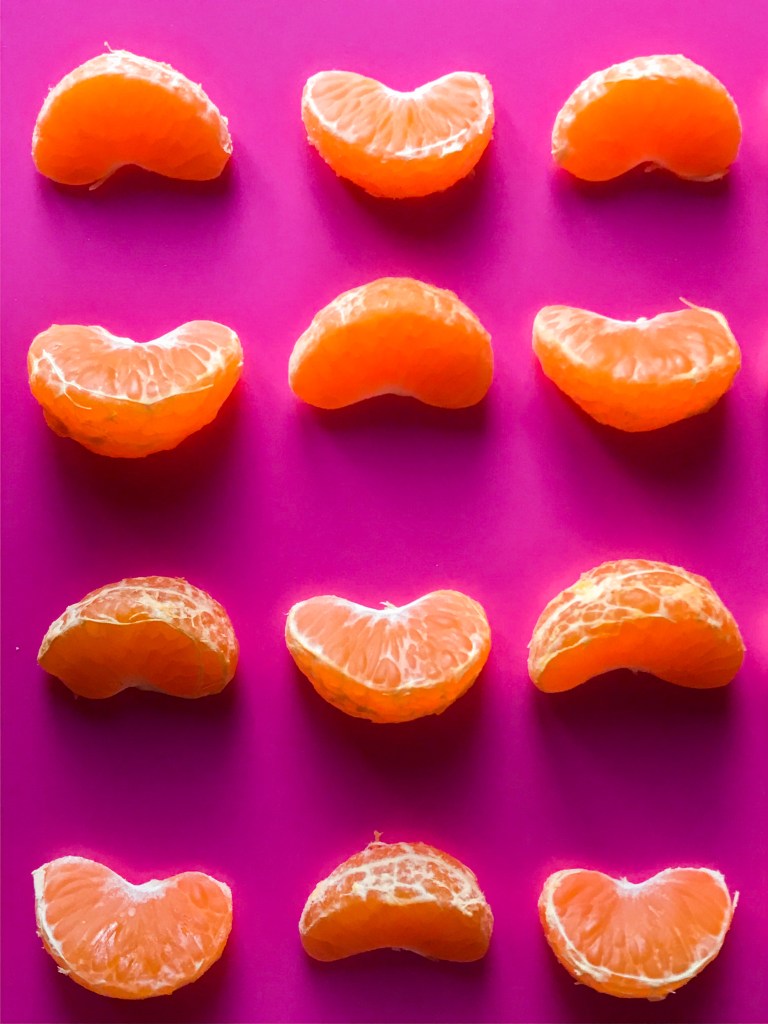
For one of my other modules (Studio Practice) it is essential that I use studio lighting and other equipment to produce still life work. I managed to use the studio twice before lockdown restrictions were imposed, but I still wanted to use the studio a third time to produce as varied as a response to the brief as I could. Therefore, I attempted to set up my own mini studio at home.

To set up the ‘mini studio’ I simply placed some coloured pieces of slightly reflective plastic on a table next to a large window. I wanted the lighting to be even and bright, and being close to the window allowed this.

Overall I am quite happy with the images I produced. I photographed the fruit later on in the day as the window was at the back of the house, and this meant that I had around an hour or two to shoot, which was sufficient for shooting. Due to the reflective nature of the backdrop I was shooting against, I wasn’t able to use flash, but this wasn’t an issue as the lighting was bright enough, and I was happy with how the images looked without flash. I also liked the shadows produced by the positioning of the lighting, as this adds interesting dimension to the images.

As I was shooting flat lay, I didn’t need an extensive backdrop, however in future I may need to purchase a backdrop off a site like eBay which isn’t too expensive. Also, I may choose to purchase some cheap studio lights if I want to conduct more studio shoots in future, and doing so would allow me to shoot at any time and not have to rely on the opening hours of the studio.

Another challenge I have encountered due to lockdown restrictions is not being able to visit galleries or go to talks hosted by photographers. However, several galleries and talks have been converted into virtual versions which I have been able to engage with. I may plan to check for online versions of exhibitions/ talks in future if I am not able to physically attend them.

Finally, for another module (Photography and the Printed Page) my concept focuses on portraying how the majority of the most deprived places in the UK are in the North, requiring me to visit a number of places to photograph them. I have been able to visit Blackpool and Liverpool and planned to visit Darwen, Manchester and Middlesborough but due to lockdown restrictions I have not been able to do so. To overcome this problem I may choose to change my idea to reflect the neglect in a certain place (such as Blackpool) or I may have to just use the images I already have to reflect my concept.

I plan to discuss this issue with my tutor next week to decide on the best course of action, as I have been making use of virtual tutorial opportunities via Google Hangouts to receive feedback and ask questions regarding my work.

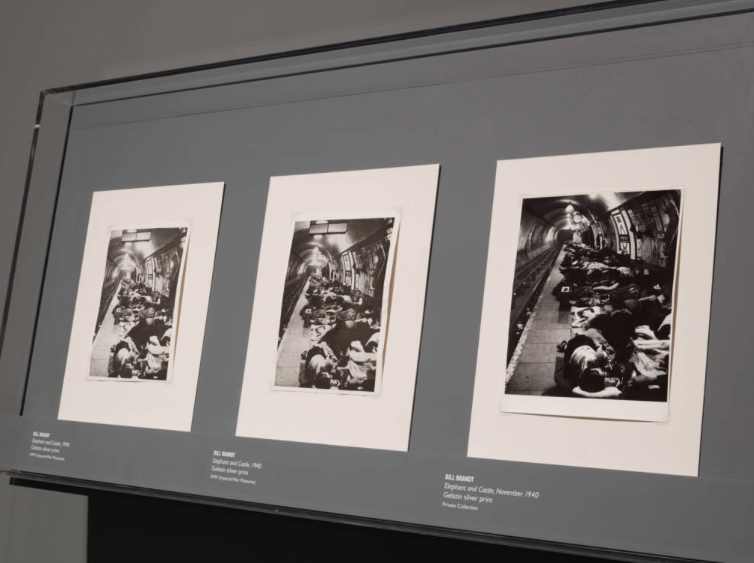
Bill Brandt and Henry Moore at The Hepworth Wakefield

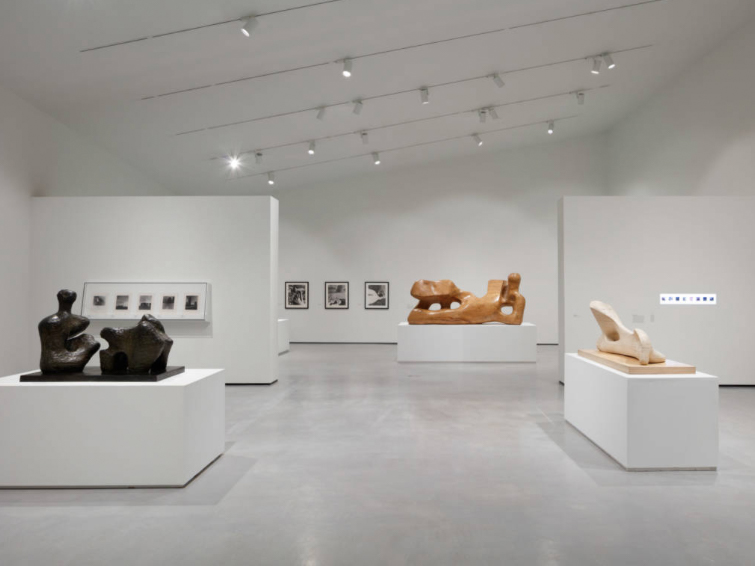
On the 2nd of March I visited the Bill Brandt and Henry Moore exhibition at The Hepworth Wakefield.

Bill Brandt was a photographer who met Henry Moore (a sculptor) during the Second World War. Together, they created images of people sheltering underground during the Blitz. The exhibition comprises of 200 works, and ties together photography, sculpture, drawings and collage. Brandt’s and Moore’s shared interests of labour, society, industry, the British landscape and the human body are present in their work. On display are Moore’s Reclining Figure sculptures and photo collages, and Brandt’s imagery of coal miners and their families in Durham and Yorkshire, as well as his colour transparencies.

Visiting the exhibition encouraged me to think about how I could collaborate with other artists working across different mediums on projects, as I admired how much depth had been achieved on the subject by the practitioners working together. I also like how a varied response to a subject can be achieved through combining different artistic mediums, and I am more than interested in collaborating with artists working across different disciplines on future projects.

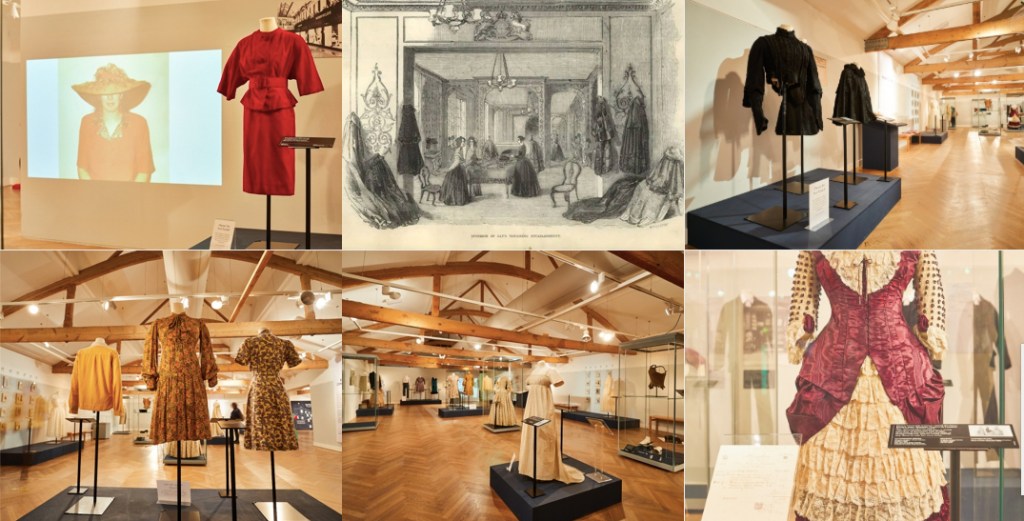
Fast x Slow Fashion Exhibition at Leeds City Museum

On the 4th of March, I visited the Fast x Slow Fashion exhibition at Leeds City Museum. The exhibition explores how clothes shopping in Leeds has changed from 1720 to the present day.

Featured in the exhibition is a number of ready-to-wear and bespoke pieces. In the past clothes were individually made, which was a time consuming and expensive process, whereas nowadays people purchase ‘fast’ and widely produced fashion. The exhibition also features a timeline, magazines, video clips and information regarding key events which have occurred in Leeds which have impacted the production and selling of fashion.

Visiting the museum gave me interesting insight into the production and selling of clothing in Leeds, and I may be able to use this information for research purposes for future modules. I could also take inspiration from fashion in particular eras and devise a shoot using pieces inspired by one of the time periods, as I like to regularly complete fashion shoots.

The museum also encouraged me to think about the importance of sustainability, as there is a global warming crisis which the mass production of fashion contributes massively to. This is an issue I may choose to explore in my work as it is a very current and relevant issue in todays society.

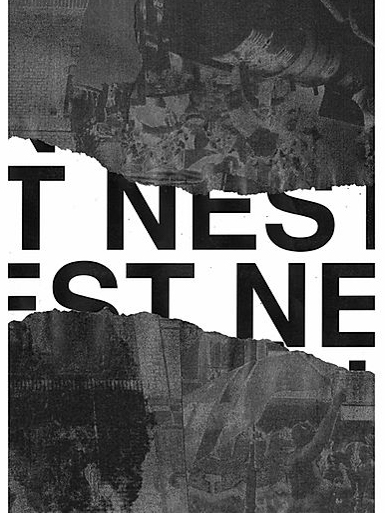
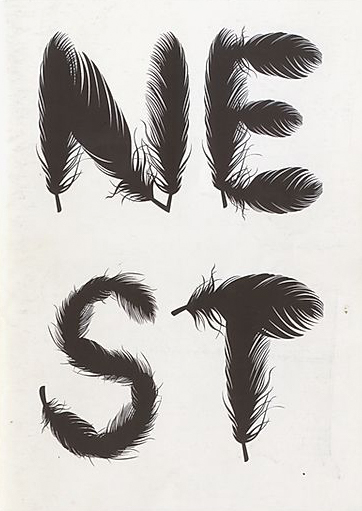
NEST Magazine

NEST Magazine is Leeds Arts University’s independent and student ran magazine. Released twice a year (in Autumn and Spring), the printed publication provides a platform for students working across various disciplines.

For each issue there is a set theme that students across the university can submit work either digitally to NEST Magazine’s website or by email to editorial@students.leeds-art.ac.uk. Any submissions that aren’t published can often be found on the publications website or social media, and details surrounding new issues are available on the magazines website.

NEST Magazine can be purchased from various locations in Leeds, as well as London, Manchester and Hamburg. When new issues are printed, a launch party is held at a Leeds based venue, and attending these events can provide socialising and networking opportunities.

I am yet to submit work to NEST Magazine, however I do plan to in future in order to gain greater exposure for my work, and maybe attract the attention of clients for paid work or other photographers for collaboration opportunities. I also plan to find out when the next launch is and attend this to benefit from networking with other creatives.

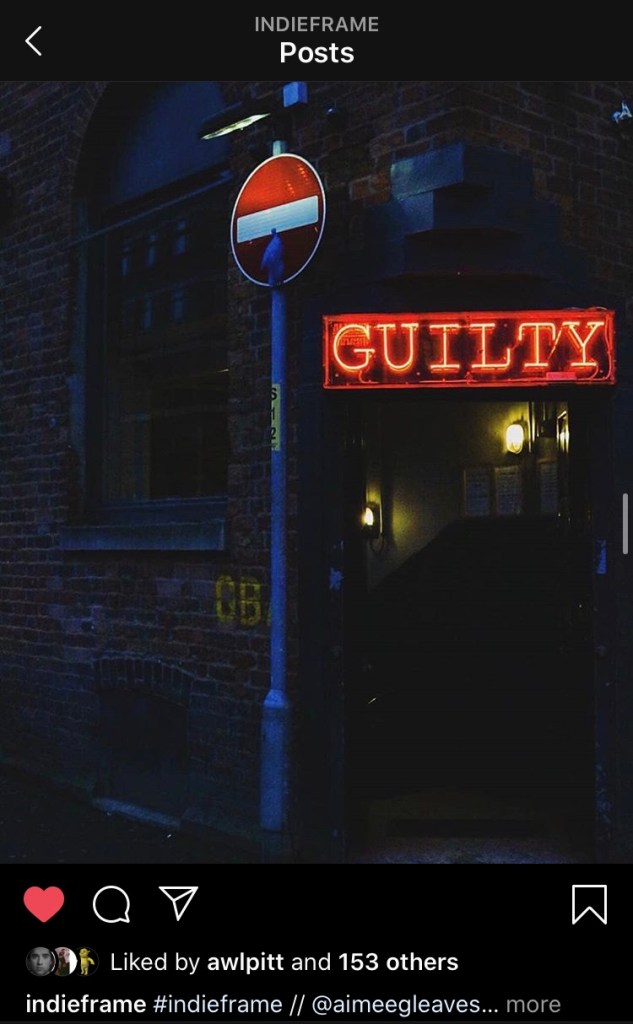
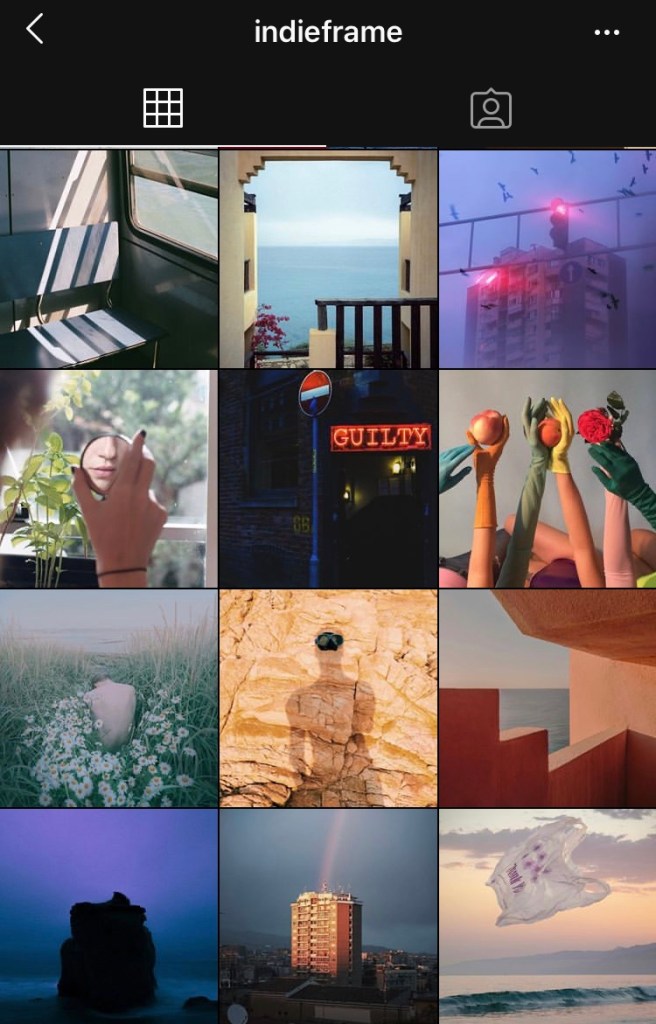
Reposted by @indieframe on Instagram

On the 7th March 2019, a photo I posted on Instagram was reposted by @indieframe, an account which reposts photographers images which follow an ‘Indie’ aesthetic.

The imagery on indieframe’s account tends to follow a saturated colour scheme, with the subject matter typically consisting of landscape, architecutre and lifestyle imagery. To be reposted onto the site I used #indieframe , which is what submissions are tagged with so that the accounts manager/s can select work they wish to repost.

Although the page has a fairly small following with just over 5,000 followers, this allowed a greater audience to see my work, which could potentially lead to collaboration opportunities, and potentially paid work if brands look at these kinds of pages. I regularly submit images to photography accounts like indieframe in the hope of gaining greater exposure for my work and gaining opportunities like I have mentioned.

Shooting for Youth Junk Store

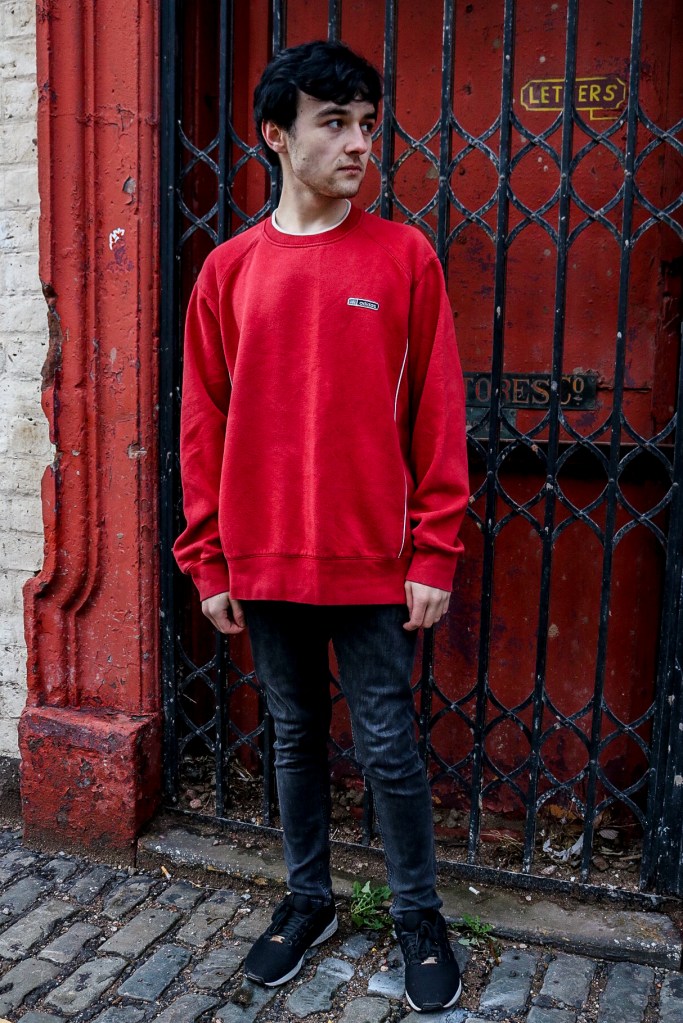
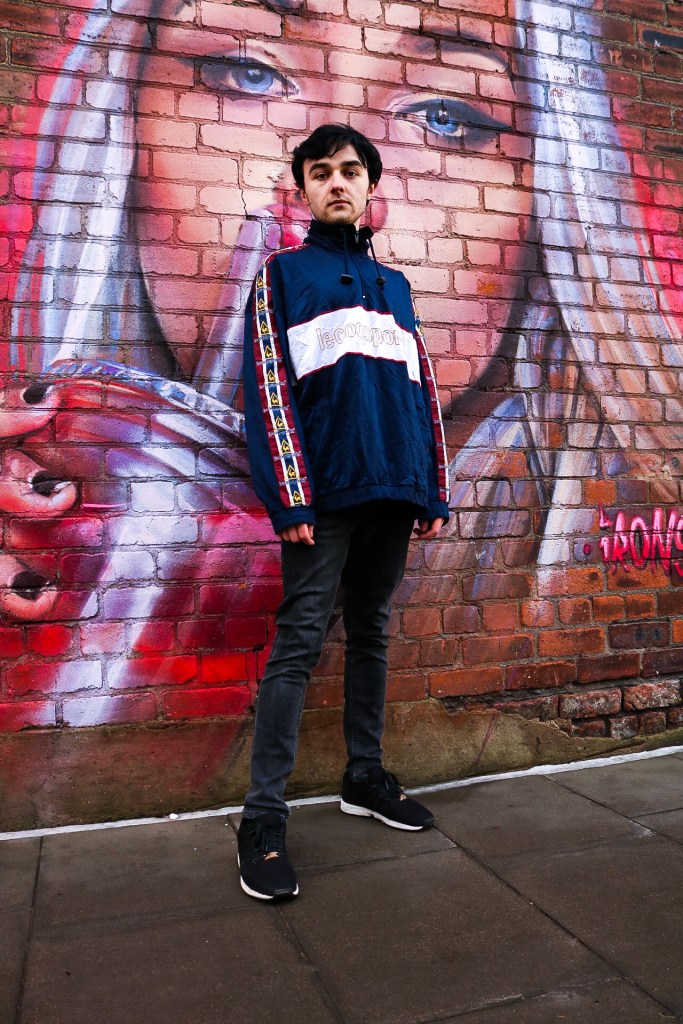
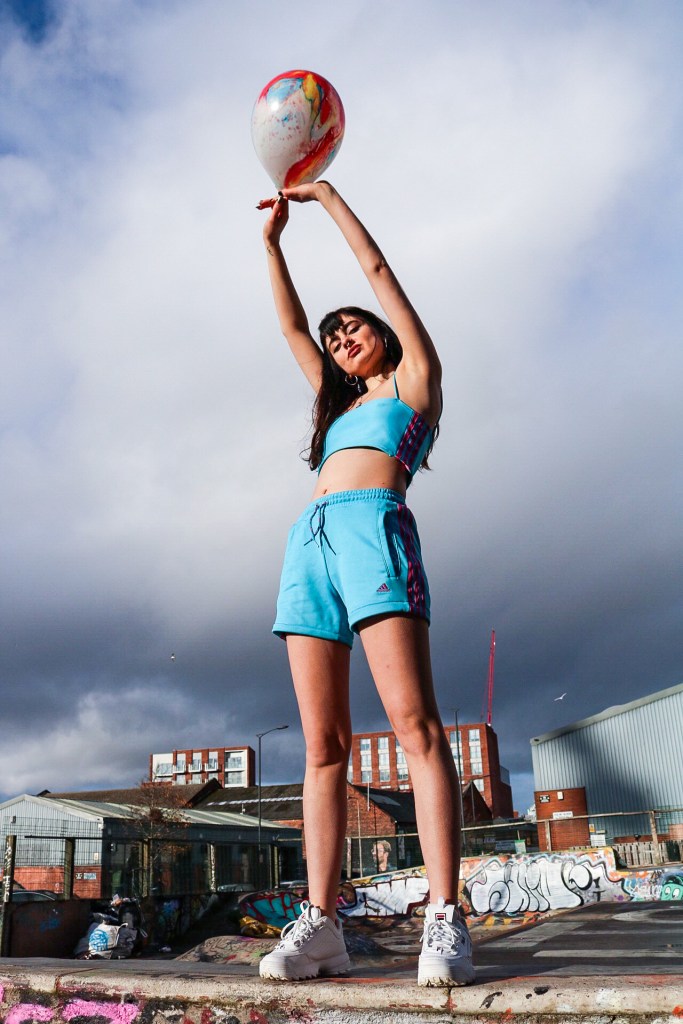
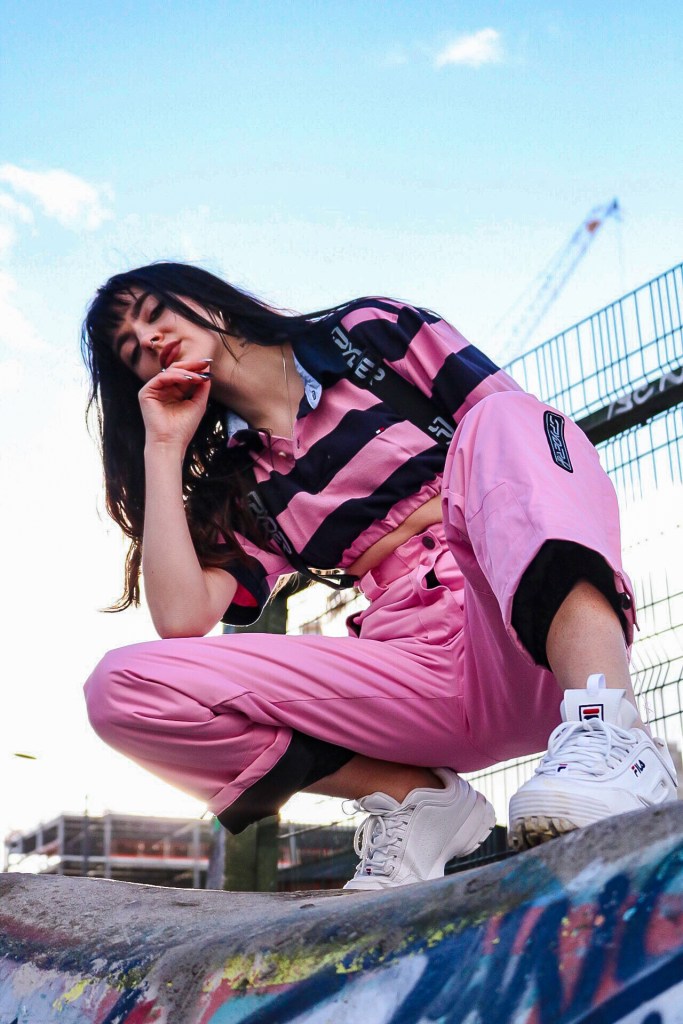
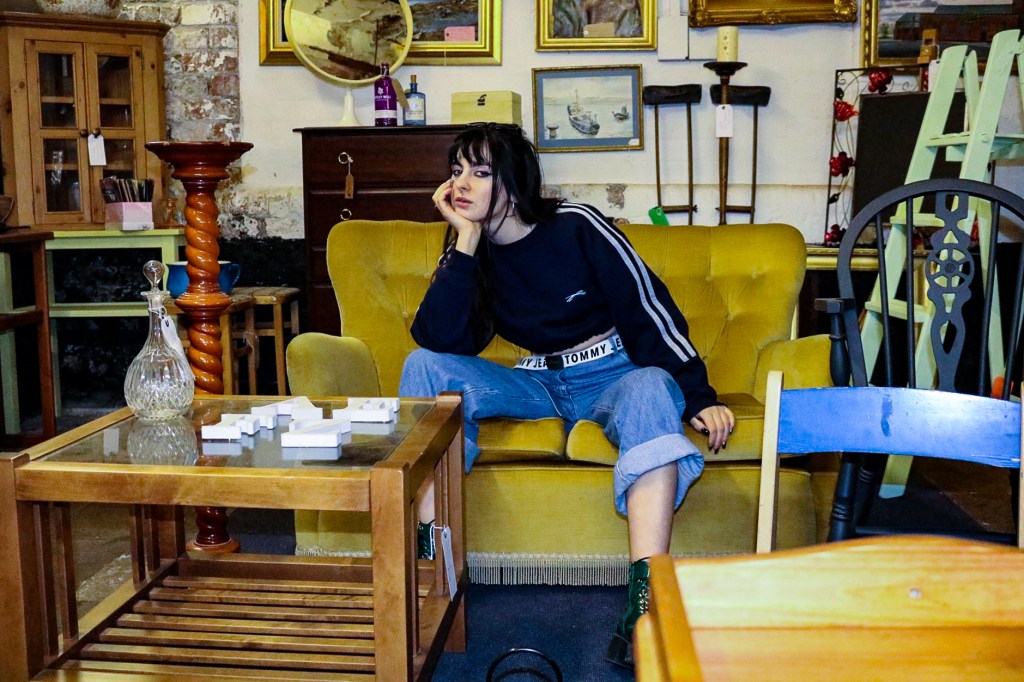
On Thursday 20th December 2018, I was given the opportunity to shoot a vintage clothing collection for Lauren Neth’s Depop Store; Youth Junk Store. Youth Junk Store is a Depop store which sells preloved, urban and vintage clothing items curated by Neth from charity shops and kilo sales. At the time of shooting, the store had 13,000 followers, and as of Tuesday 21st April 2019, the store currently has a following of 63,000.

The opportunity arose via Instagram when Neth viewed my images taken of model and friend Megijia Germane, and feeling that my images and Germane’s aesthetic suited her urban brand, Neth requested that Germane, alongside model Liam Need, modelled her latest collection and that I shot the images.

Prior to shooting, Neth informed me that she would like to shoot in as many different locations in Liverpool as possible. Knowing Liverpool well, I suggested we shoot in the Baltic Triangle due to its variety of quirky street art and strictly urban aesthetic, and I also gained permission to shoot inside Red Brick Vintage. Shooting both outside and inside allowed for a high variety of imagery which is what Neth requested.

On the day of shooting, I photographed around 50 pieces of clothing. This meant that I was required to work at high speed in order to produce high quality work and have the required shots to successfully sell the clothing. I produced all the required images in 6 hours, and although both myself and Neth were pleased with the work produced, on future shoots I would distribute my time more evenly to lessen the workload and pressure on both myself and the models.

To conclude, shooting for Youth Junk Store was an incredible experience which I am grateful to have had. This experience allowed me to make money professionally from my photography for the first time, gave me work to use within my portfolio, and allowed Neth to sell a high number of clothing pieces to a very satisfied clientele.

Design a site like this with WordPress.com
Get started