Hi! I'm Aimee and I am currently working towards gaining a Bachelor of Arts in Photography at Leeds Arts University. This blog is dedicated to sharing posts surrounding the work that I am completing for my level four module 'Personal Professional Practice One'.
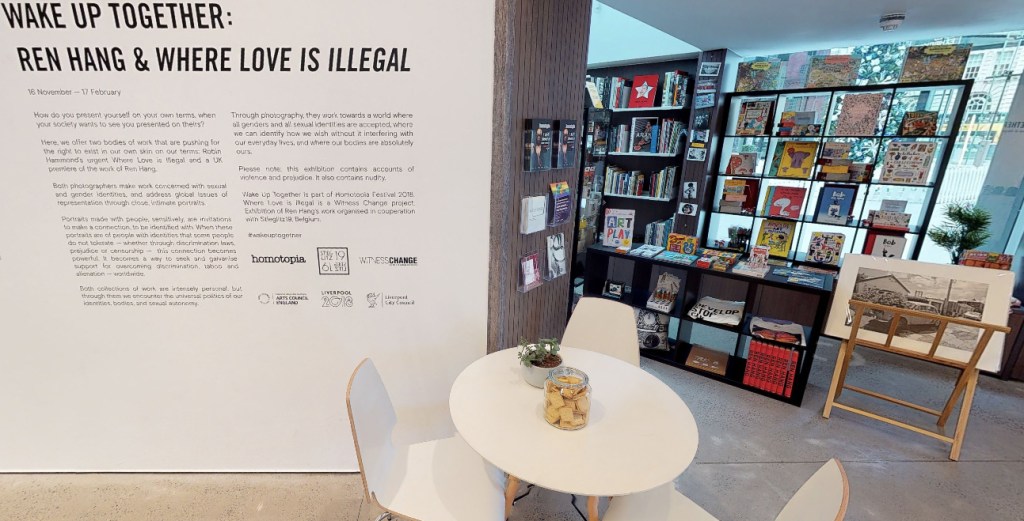
Hosted by the Open Eye Gallery, the exhibition displays two bodies of work by photographers who have produced imagery focused on sexual and gender identity, as well as the issues surrounding representation around the world.
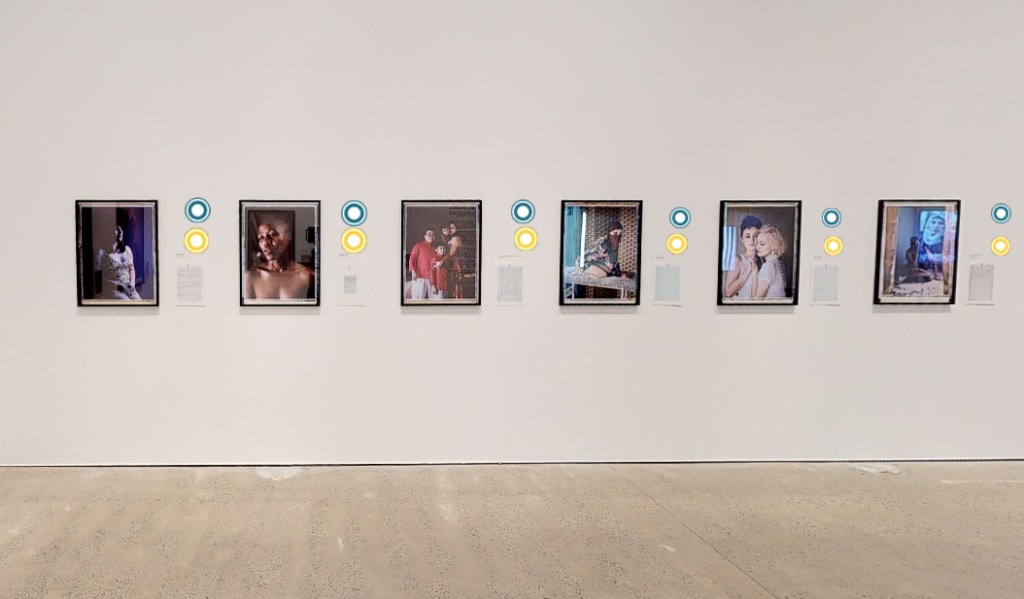
Robin Hammond’s Where Love is Illegal consists of a number of intimate portraits of subjects around the world who have been affected by discrimination, prejudice or censorship through their sexuality and/ or gender identity. Included alongside the portraits is text by the subjects written in their own language, which includes a translated version if this isn’t English, with what the subject would like the viewer to know about them or a message they would like to give.
I found viewing this body of work to be extremely emotional, and it really opened my eyes to the hardships faced by members of the LGBQT community around the world. I particularly liked how what the subjects wanted to say had been used as part of the exhibition, as this made the work even more personal and really highlighted the severity of the hardships faced towards people in the community.
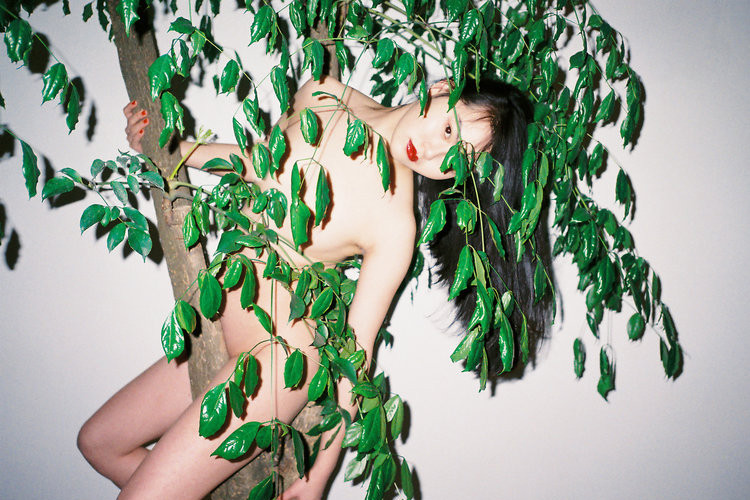
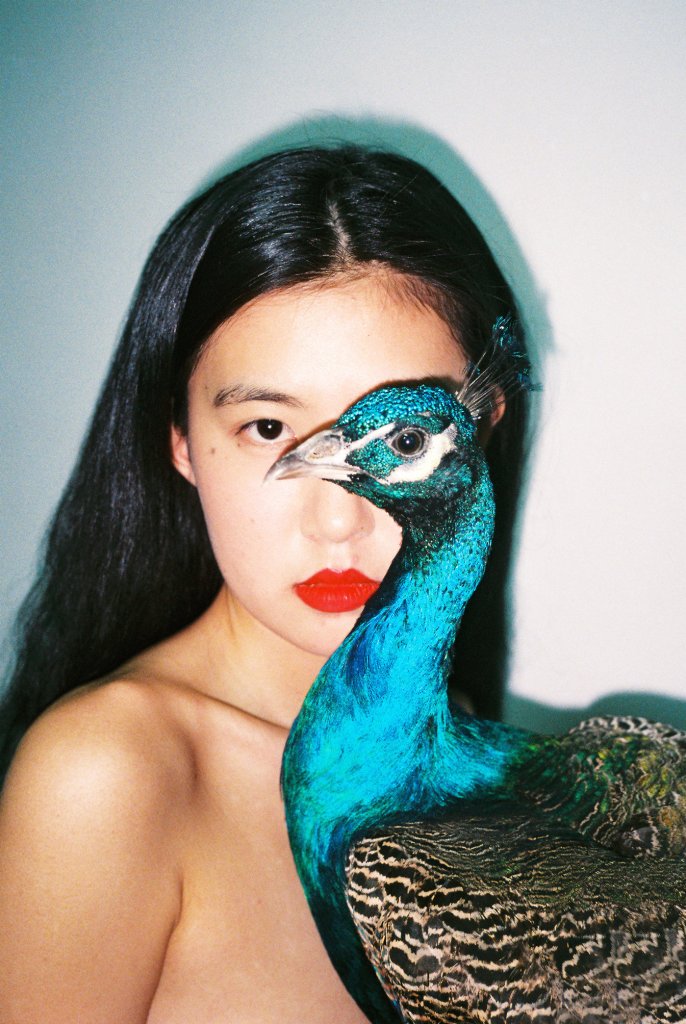
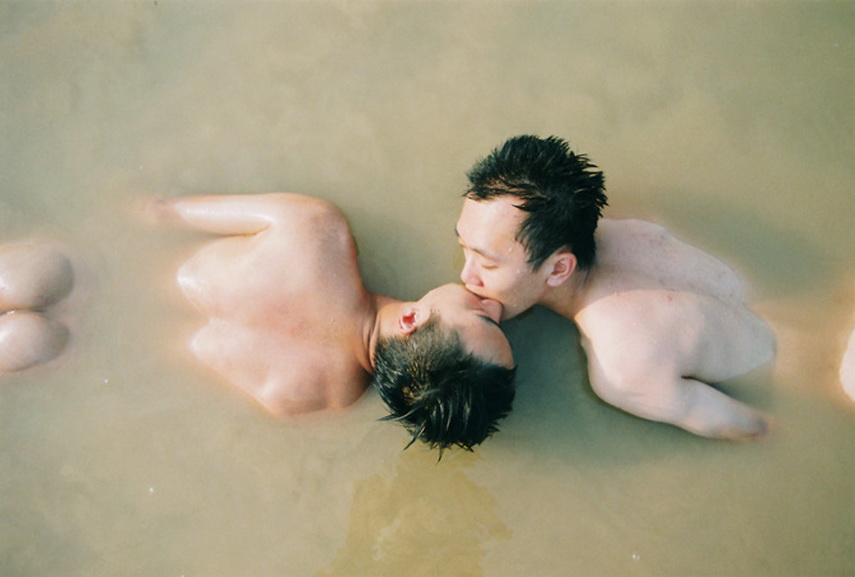
Ren Hang’s work experiments with the categories people use to explain the world, such as by gender (male/female), species or by being organic or artificial. These categories can be fairly limiting, and Hang’s work aims to neglect these categories and explore the human body in a new and experimental way.
Underpinning Hang’s work is the desire to express sexual autonomy for people in China and all over the world, and the artist sadly took his own life in 2017.
Hang’s work also drew my attention to the discrimination faced by the LGBTQ community around the world. I liked the abstract approach Hang took towards the human body and how it is presented, and Hang’s work has encouraged me to think outside how things are conventionally displayed, and I may apply this to my own work in future.
On Wednesday 26th February, our group in University were taken on a tour of gallery and art spaces in Leeds.
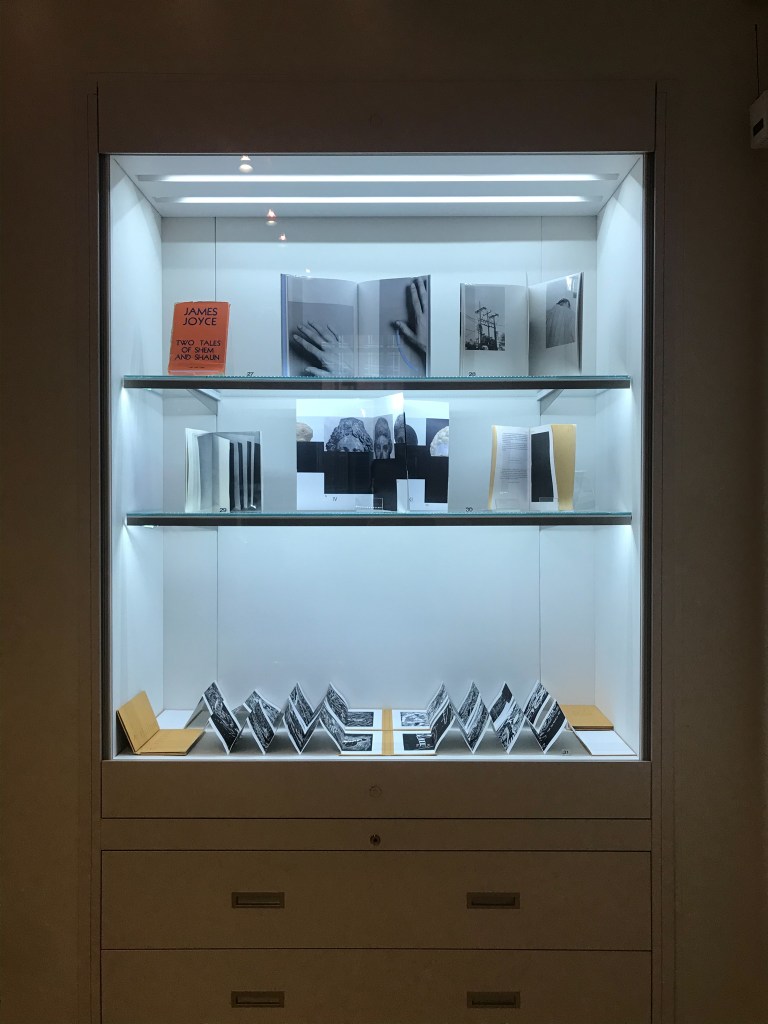
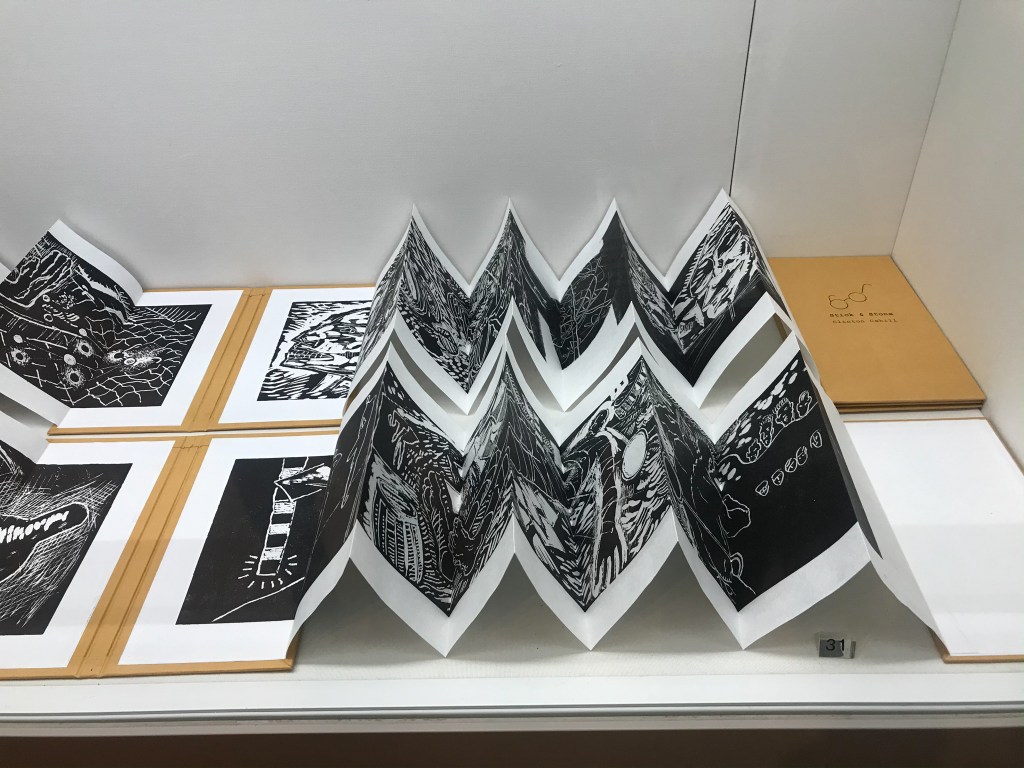
Our tour began at the Stanley and Audrey Burton gallery at the University of Leeds, where the exhibition ‘Book-Space’ was being held. The exhibition focused on the presentation, layout and design of books and was focused on the work of James Joyce. The collection consisted of European (mainly British) works, and dated back to the 17th century to the present day. Amongst the books was also typography and drawings based on the work of Joyce.
Visiting the exhibition proved useful for research purposes, as viewing the layout and design of the books could be used to inspire our own photo book layout for another one of our University modules. I found that I could aesthetically appreciate the graphic design and illustration aspects of the exhibition, but that the exhibition would be better suited to artists working within these mediums. I plan to regularly revisit the gallery to see if any exhibitions could be used for research for future university modules.
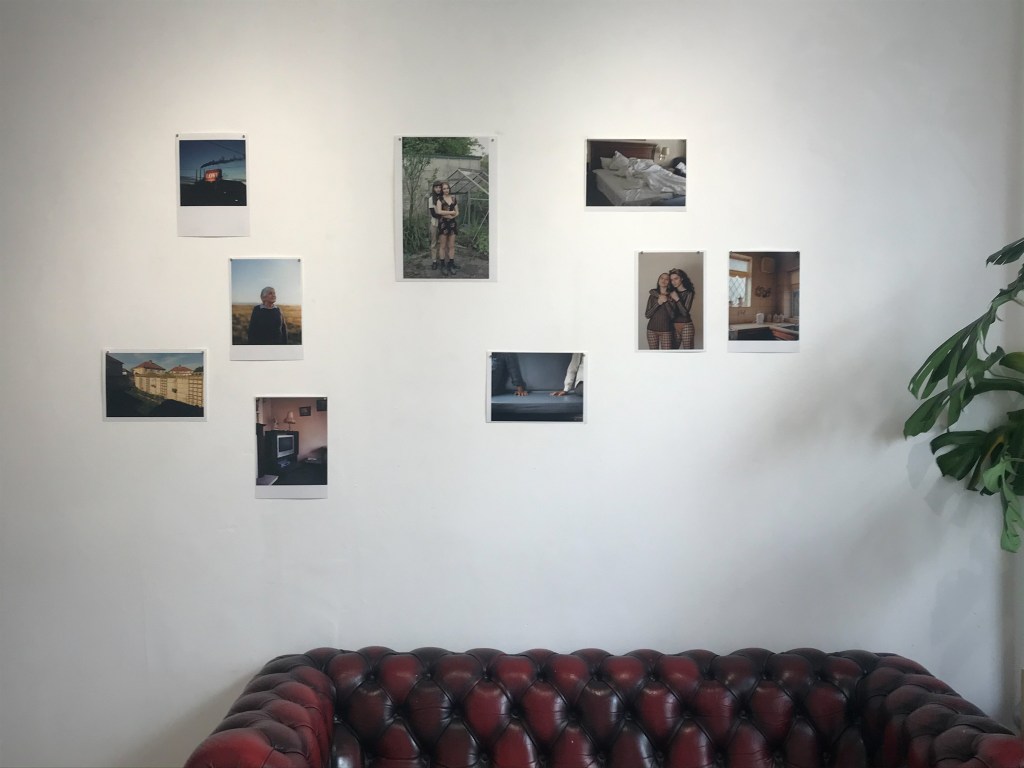
After visiting the exhibition, we went to an independent book store named Village Books. The store sold various books and zines produced by both small and more established artists, and had a small gallery space used to host exhibitions and talks. I thoroughly enjoyed looking at the books/zines, and plan to return to view future exhibitions. What I liked most about Village is that they give smaller artists the opportunity to sell and exhibit their work, and I may choose to try and do this myself in future.
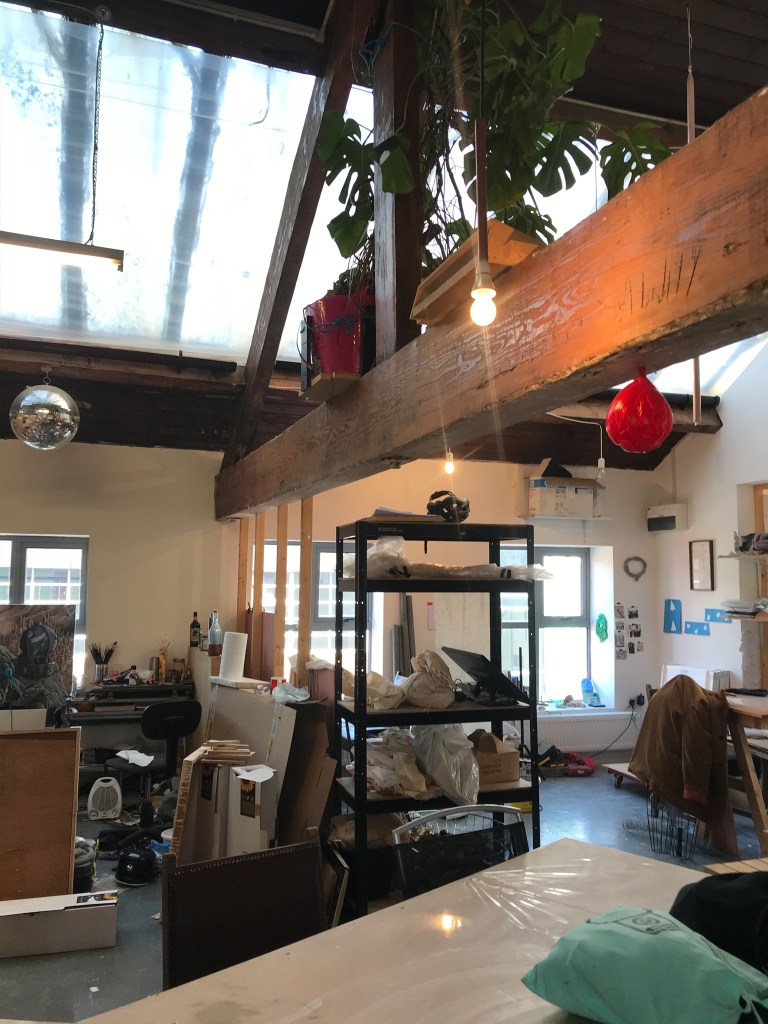
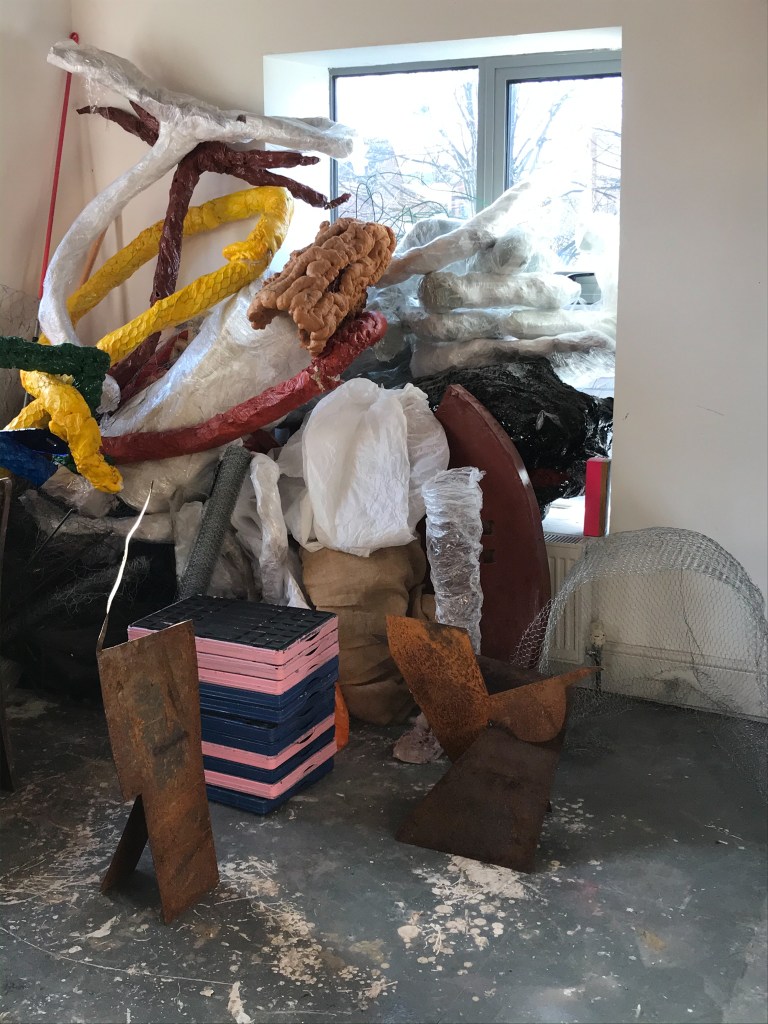
The next place on our tour was Serf- a studio and exhibition space used by a number of artists working across a number of different mediums. We were shown around the space by one of the artists based at Serf, and I found it interesting to hear about his journey as an artist. Like Village Books, the space gives smaller artists the opportunity to host exhibitions, so I may choose to try and display some of my own work sometime. Also, visiting exhibitions by other smaller artists would provide networking and potential collaboration opportunities.
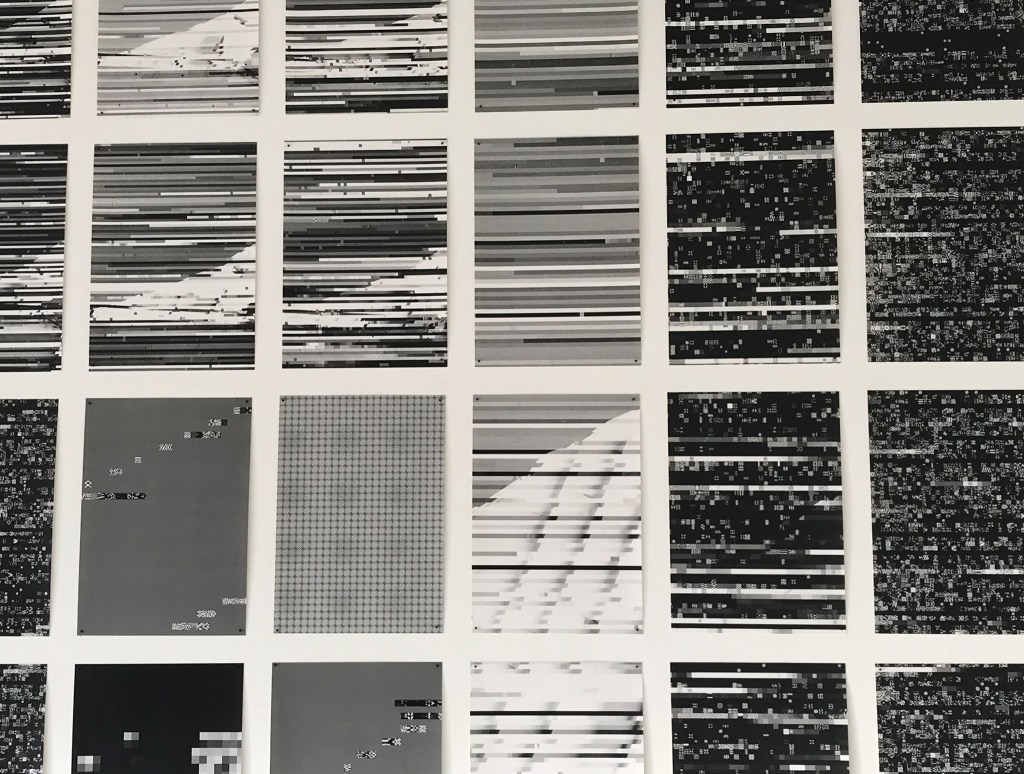
Finally, we visited Colours May Vary, which is another independent book store and gallery space. Like Village, the store sold a number of books and zines, as well as art supplies. In addition, the store had a gallery space in which the exhibition ‘Fade to Z’ was being shown. The exhibition focused on the detoriation of a JPEG image, and the imagery was presented in a large scale format which gave the work an interesting amount of detail.
To conclude, the tour of galleries and art spaces proved useful for raising my awareness of spaces where I could potentially exhibit or sell my work, as well where future exhibitions will be held at which I could network and meet other creatives.
As organised by University, we were given the opportunity to listen to a talk by Tori West; the editor of BRICKS Magazine. The publication was created by West in her final year of her Fashion Communications degree.
BRICKS deals with social-political issues in fashion and art, and aims to be an inclusive outlet for creatives from all backgrounds. Representation of minor groups within society and awareness surrounding political issues are two core values of the magazine.
I would consider the talk by West to be an honest and inspirational account of woking within the creative and journalism industries. West openly discussed the challenges she has faced, such as encountering financial barriers. I found it inspirational that West balances working on the magazine with her part time job as a cleaner, as this shows that she is able to manage her time effectively, and is passionate enough to devote her personal time to the magazine.
Listening to West talk about the publication emphasised the importance of giving minorities a voice within the creative industry. Prior to the talk I wasn’t aware of BRICKS magazine, but since listening the talk I am keen to read the magazine to further educate myself on the issues surrounding under represented groups, as well as current social-political issues. West’s talk also allowed me to learn of more publications relevant to the creative industries and the platforms available to smaller artists, and I may choose to submit work to the magazine in future.
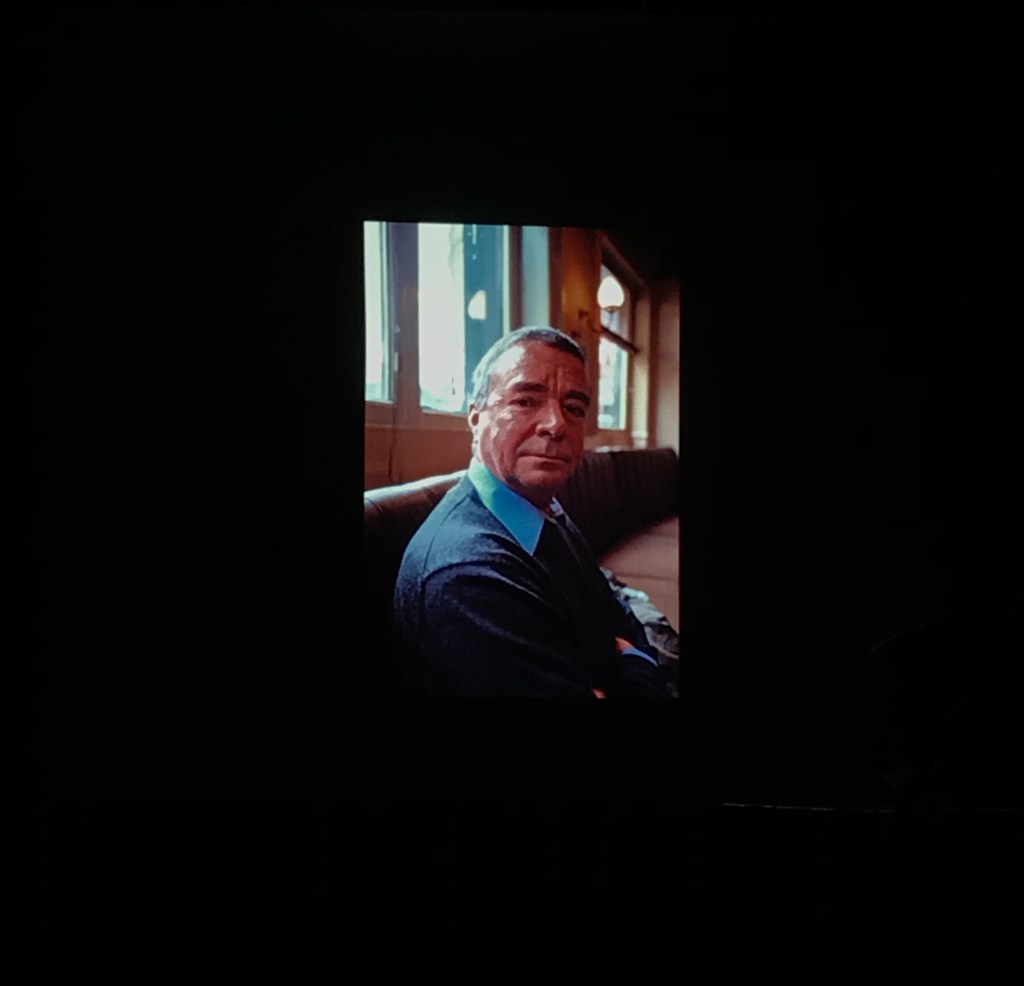
On Tuesday 25th February I attended the Miniclick Leeds: FAMILY talk with Thomas Duffield and Simon Weldon, which took place at The Brunswick in Leeds. Both of the photographers work focused on the representation of relationships within their families.
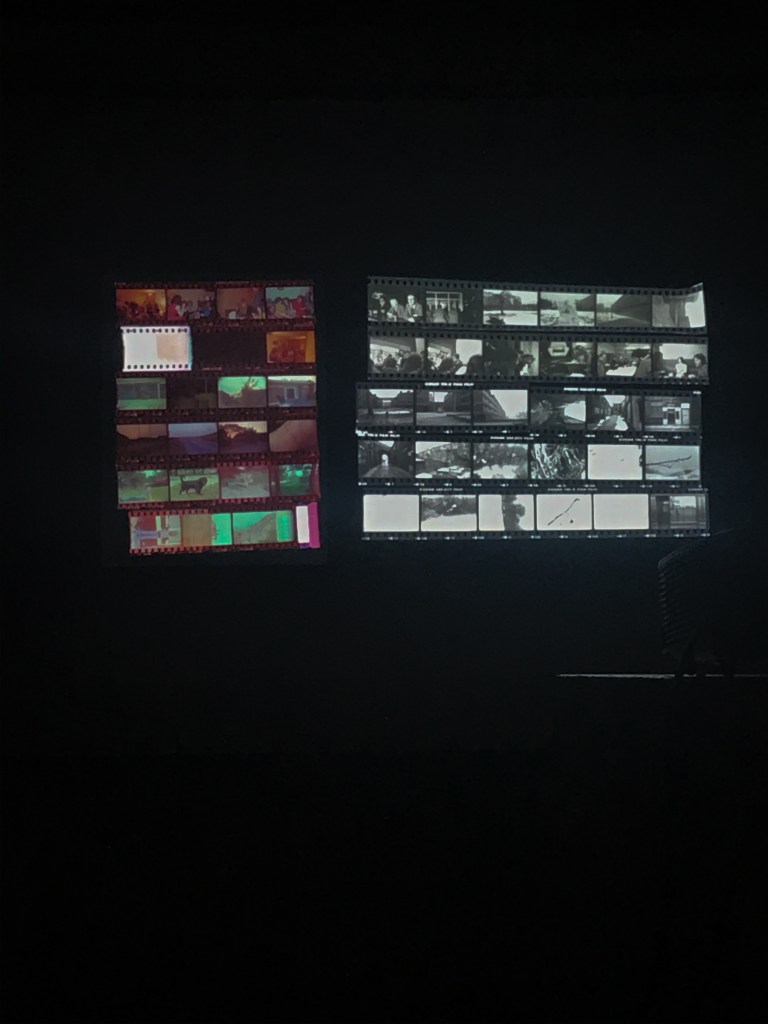
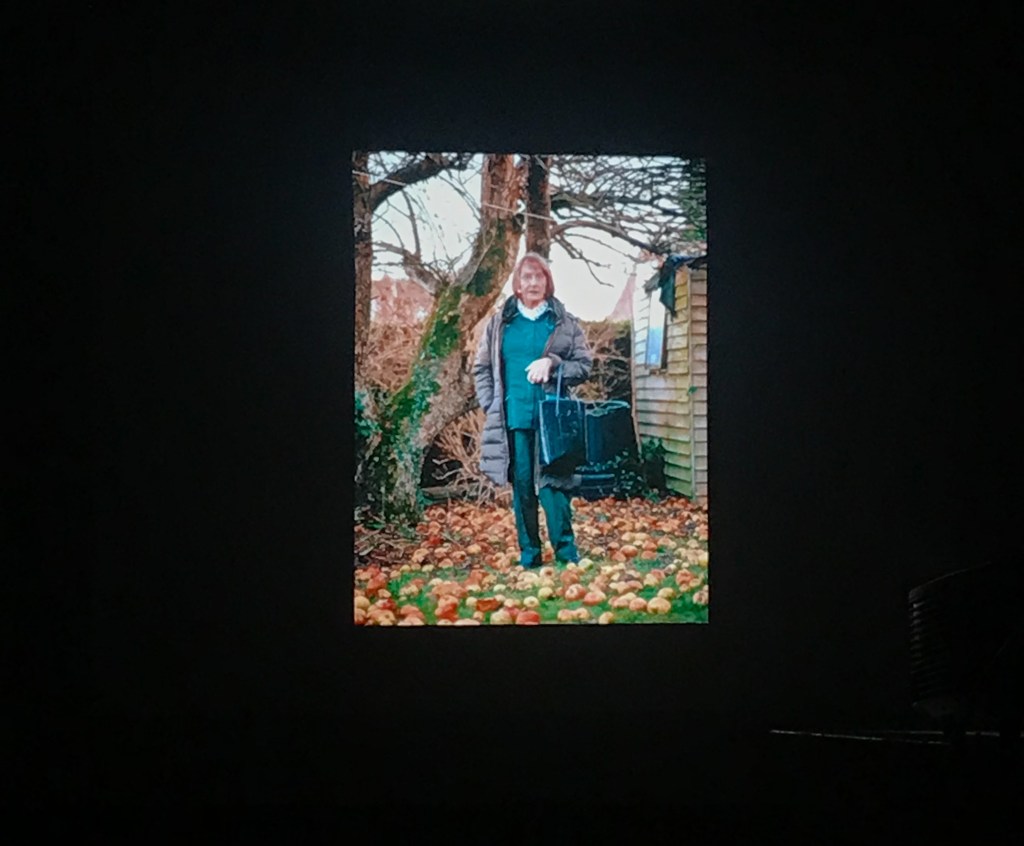
Simon Weldon’s To you all from us focuses on the photographers relationship with his late Father, who passed away following his problems with alcoholism, and also aims to find resolution after his passing.
The collection consists of a number of portraits of Weldon’s Father and Mother, as well as other matter relevant to their relationship. Amongst the more recent images captured by Weldon, are his Fathers personal archive of self-printed photographs, consisting of snapshots from Weldon’s Fathers everyday life.
Upon looking at the extensive archive, Weldon has commented that the collection doesn’t provide clarity towards his Fathers path, due to missing imagery and a lack of chronological order amongst it. Weldon’s work aims to reflect the impermanent nature of life, as well as acting as a remembrance of his Father.
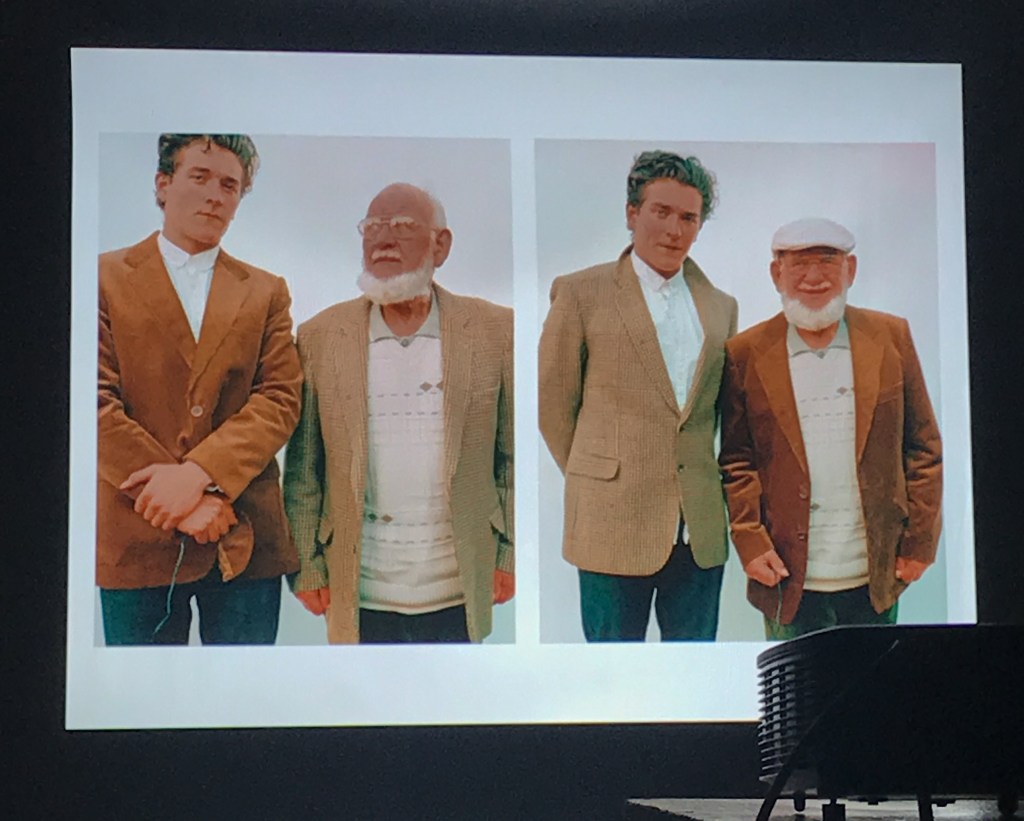
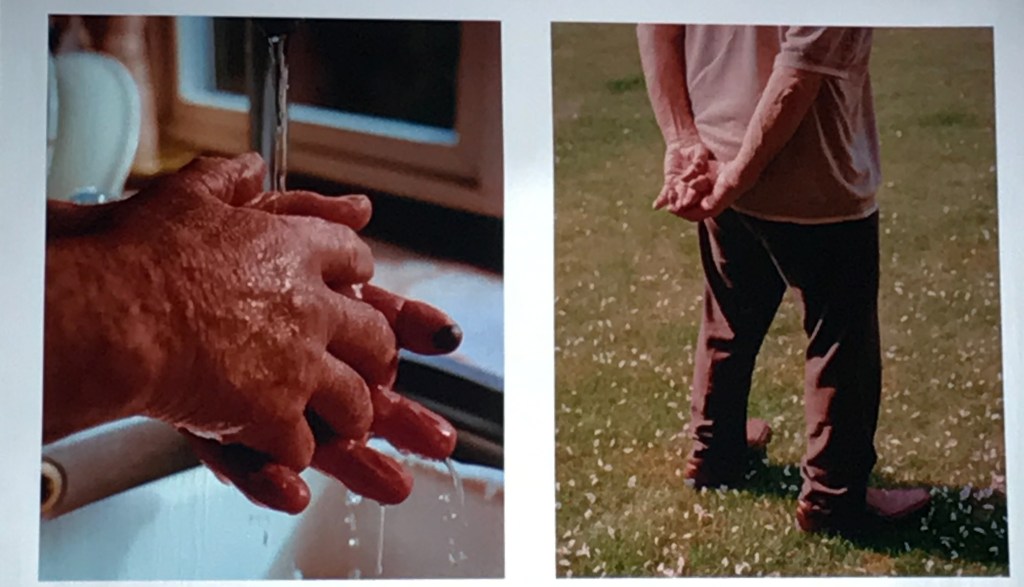
Thomas Duffield’s Just couldn’t get the shoes to fit centres around the shift in caring responsibilities and changes within his relationship with his Grandfather as they both age. Duffield has commented that his Grandfather served as a strong and influential Father figure in his life. Now that Duffield’s Grandfather is ageing, he has began to display a new vulnerability, through asking Duffield to do things like button up his shirt and open the pickle jar for him. Duffield has commented that through these changes he has began to face the responsibilities and personal insecurities whilst taking his place as a young man in the adult world.
Upon listening to both photographers speak about their work, this encouraged me to think about the events that have occurred which are significant to my family, and how these can be portrayed.
I liked how the photographers used a variety of subject matter and not just your average portraiture to explore what was relevant in their family relationships. I particularly liked how Weldon explored the effects of his Fathers alcoholism on not only himself, but on his Mother. I found that the work was emotional and very engaging, due to the magnitude of this issue on the entire family being explored. If I were to produce work about my own family I would also like my photographic response to consist of a variety of subject matter.
Attending the talk allowed me to ask questions directly to the photographers, which helped to deepen my understanding of their work. The event also provided networking and potential collaboration opportunities, and I am keen to attend future Miniclick talks for these reasons.
For another task, we were required to produce work for the EIZO Student Awards Photography and Film Brief. Upon completing our work, we were encouraged to enter our work into the competition.
EIZO is a company which designs and creates colour accurate digital monitors. EIZO’s monitors are of industry standard and are used vastly across the creative practices for purposes such as post-production, film and design.
The brief set by EIZO involves focusing on the idea that colour is a crucial part of life. Participants are required to do this through also selecting one of a number of themes to produce work for. The themes set to choose from included space, custom, criminal, masculinity, fake, trade, tragedy and unity. This could be done through a singular piece of work or a series of up to 10 images. The brief encourages participants to interpret their chosen theme either literally or in an abstract way, and there are no restrictions on where or how the work is produced.
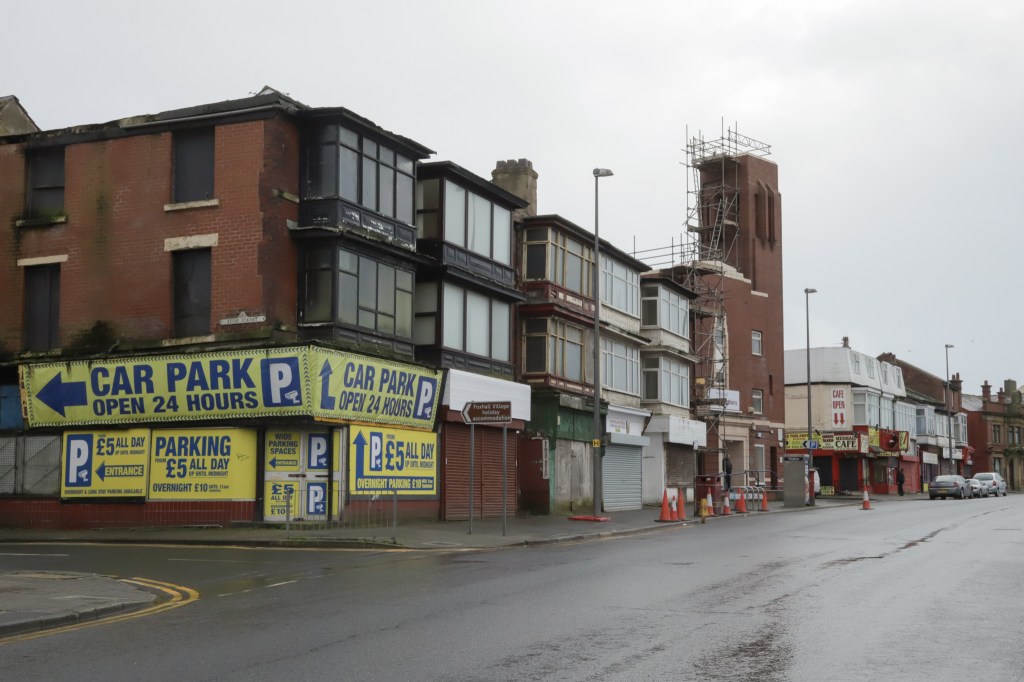
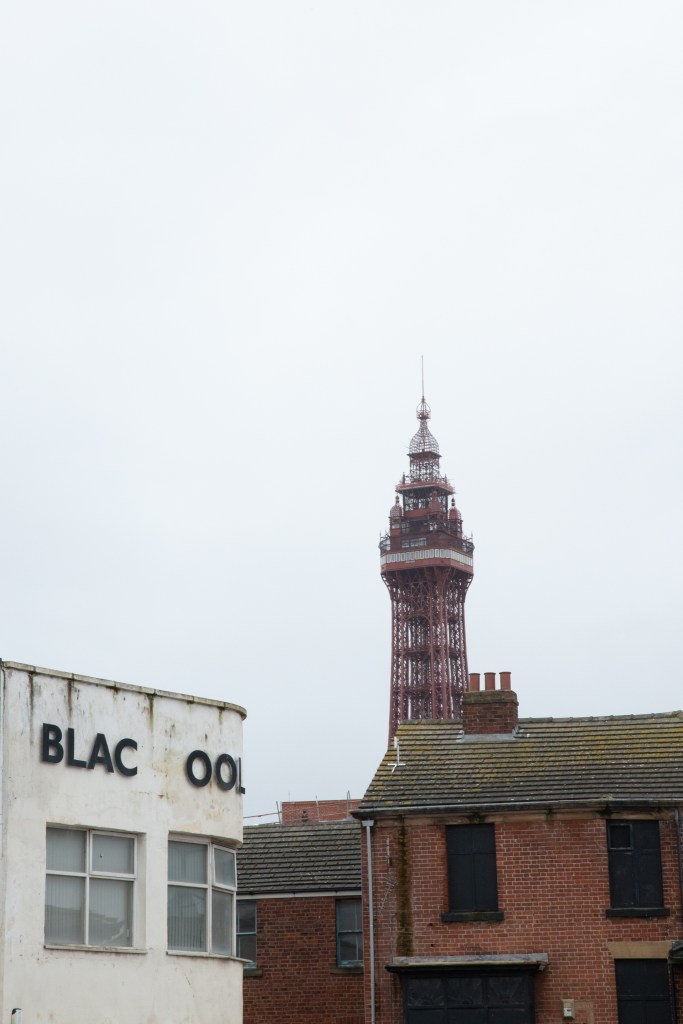
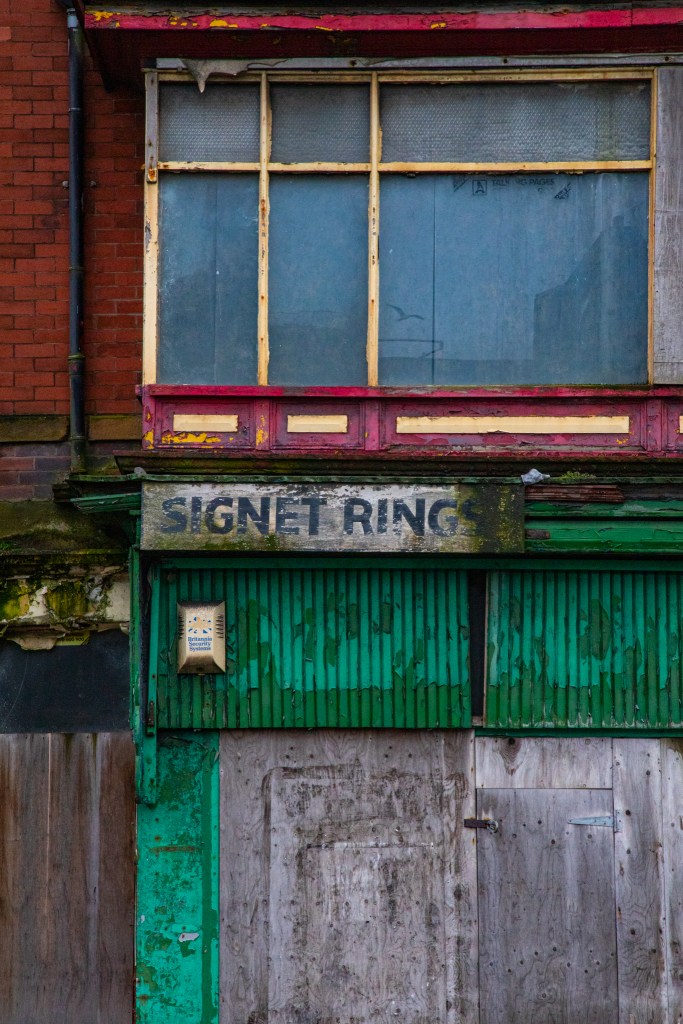
For one of my other university modules we have been asked to produce work for our own photobook, surrounding a social issue present in 2020. As the photos I have captured are some of my most recent work, I automatically thought about the ones I have produced surrounding deprivation in the North of England. To do so I visited a number of places statistically classed as some of the most deprived places in the country, and one of these places included Blackpool.
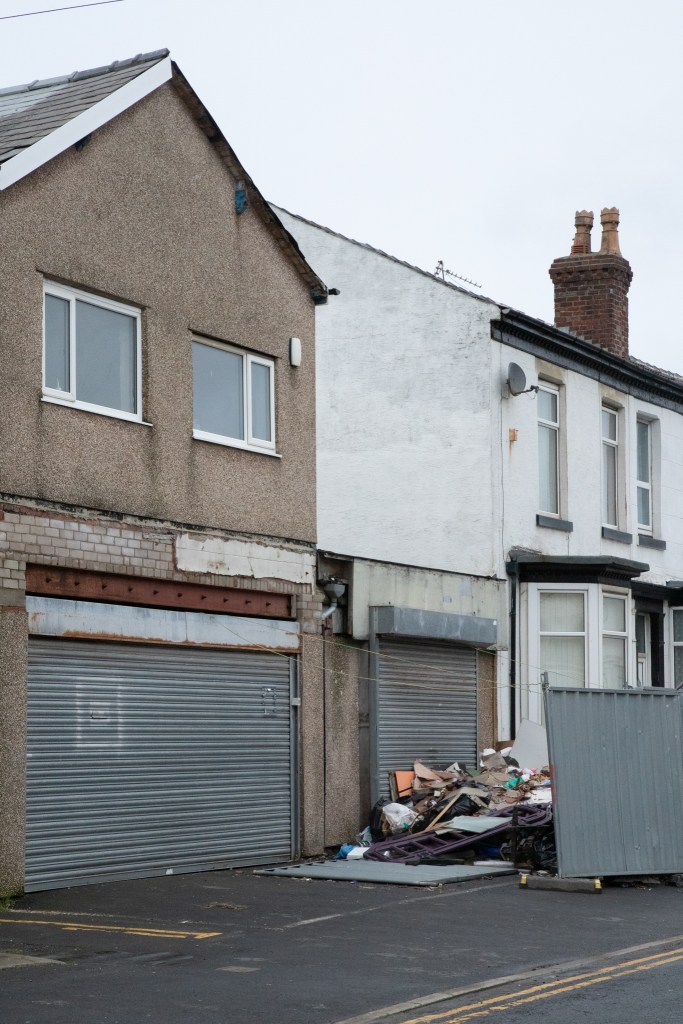
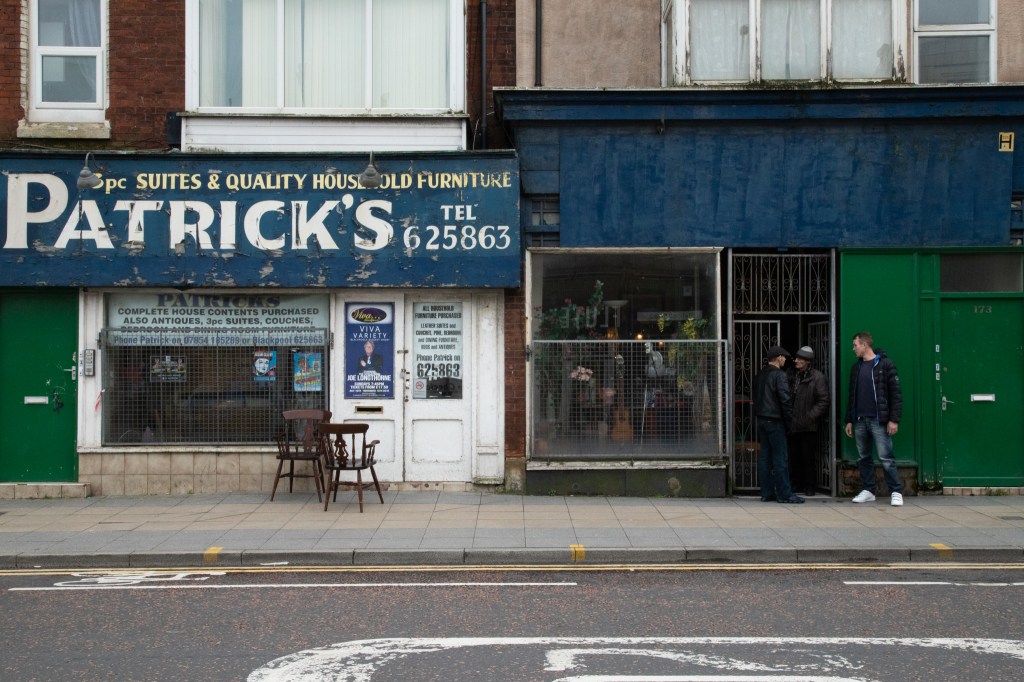
Over the past few decades, Blackpool has seen a devastating decrease in tourism due to cheap air travel to other more appealing holiday destinations. As a result of this, local businesses have been struggling for a considerable amount of time, and this was particularly evident when I walked around Blackpool and noticed the amount of closed down small businesses. Unemployment and crime in Blackpool is also high, meaning that inhabitants struggle to maintain their homes, and this was also very apparent on my visit.
The struggles which Blackpool’s residents and workers face can be considered a tragedy. The once thriving holiday destination producing fond childhood memories for many, now consists of a population facing hardships such as unemployment, poor housing conditions, crime, and substance abuse issues.
Through my imagery I have attempted to show the tragedy which exists in Blackpool through its clearly neglected landscape, consisting of failed businesses and poor living conditions. A number of my images are also saturated in colour, and the colour scheme of my imagery is significant for reflecting the bleak atmosphere felt when visiting Blackpool.
Unfortunately, through missing the feedback session due to illness, I am yet to receive feedback on my work. However I am keen to receive commentary from others, and plan to update this post once I have received it.
For one of our mini tasks we were required to produce work in a group which responded to one of the Getty visual trends.
Getty Images is a media company of which photographers can be used to sell their imagery to, to be purchased by the public or companies for a variety of uses. As part of their brand, Getty lists a number of visual trends present within the media today. It is important as a practitioner in the arts/ media industry to be aware of the current visual trends so that the imagery you produce resonates with viewers today.
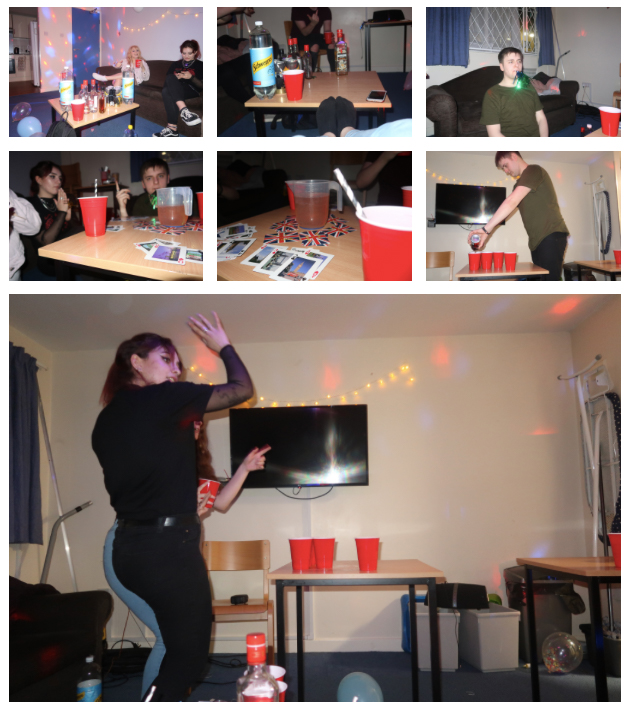
The trends we were asked to choose from included return of the flash, inclusive beauty, or clean slate. I worked in a group with Charlotte Akrill and Angel Rodger, as I consider both to be good friends and I therefore feel comfortable working with them. The trend we decided to produce work for surrounded the return of the flash. This was an aesthetic which we had produced work for previously, and after we had viewed our previous imagery, we decided to expand on some work produced by Charlotte at a house party. It was fairly easy to agree on this theme as we all liked the saturated colours and ‘fun’ atmosphere produced from the work, and producing work in the time scale given wouldn’t be too challenging.
After selecting this idea, we set a date for a party at Angel’s accommodation, as we liked the homely aesthetic her accommodation produces and we wanted this to be present in our work. We asked our models to dress colourfully and planned to purchase a number of props such as balloons, confetti, bunting and party poppers to suit the party theme.
Inspiration for how we would like our imagery to look came from photographers such as Juergen Teller, Dougie Wallace and Tom Wood. All of these photographers have produced work with a high contrast and high saturation aesthetic, which has a documentary approach, and portrays fashion in the time period they are shot in. This related to our concept as we also aimed to reflect the current fashion trends of young people today, as well as a realistic reflection of what a current day party looks like.
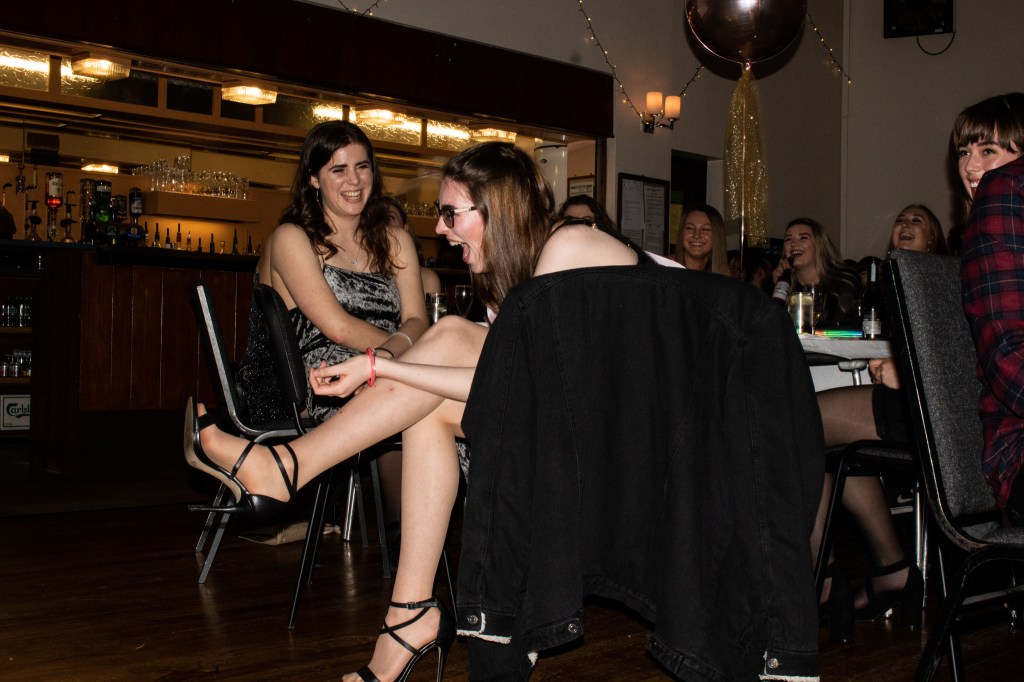
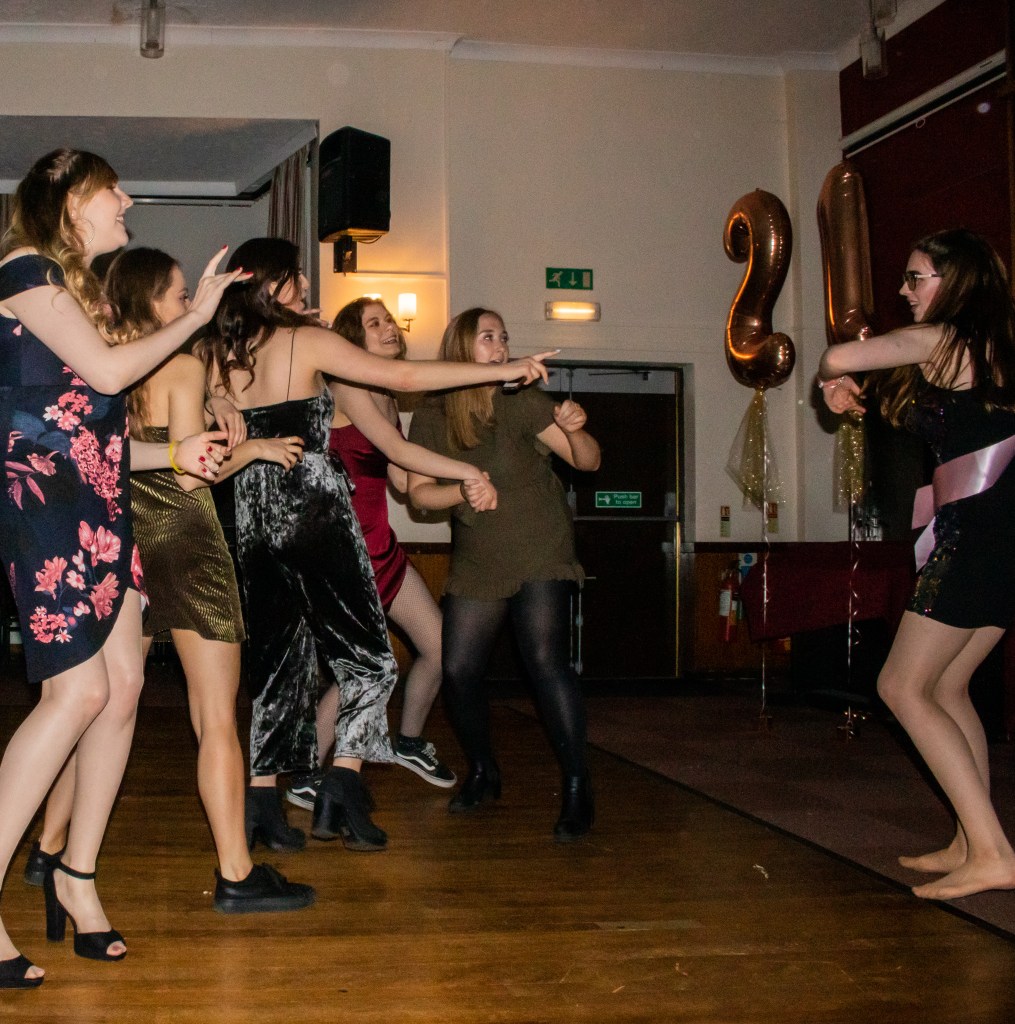
Sadly, due to illness, this meant that I was unable to attend the planned party, meaning that I missed out on the opportunity to collaborate with other practitioners. However, as we had thoroughly discussed our ideas and the aesthetic we were aiming for, I was able to capture imagery at a friends 21st birthday party which reflected our theme.
I enjoyed the experience of photographing my friends party and this gave me the opportunity to work professionally for a client. At the party I took both staged and candid photos, as the candid photos related to the group task of reflecting a party today, and the staged photos satisfied my clients requirements.
Through this experience I communicated with a number of people as to what images they would specifically like (i.e. group photos, photos of decorations etc). I regularly received feedback on the images as I was shooting to ensure that my client would be happy with my work. The experience also gave me the chance to network, and from meeting people at the event I was given the opportunity to photograph at another 21st birthday party. Moreover, I gained more confidence to photograph at future events, especially as my client was happy with the imagery.
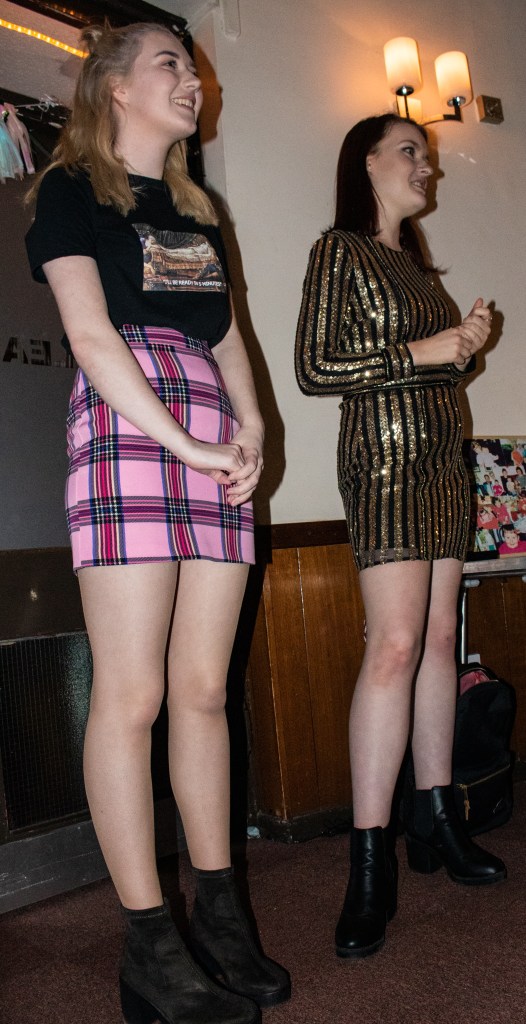
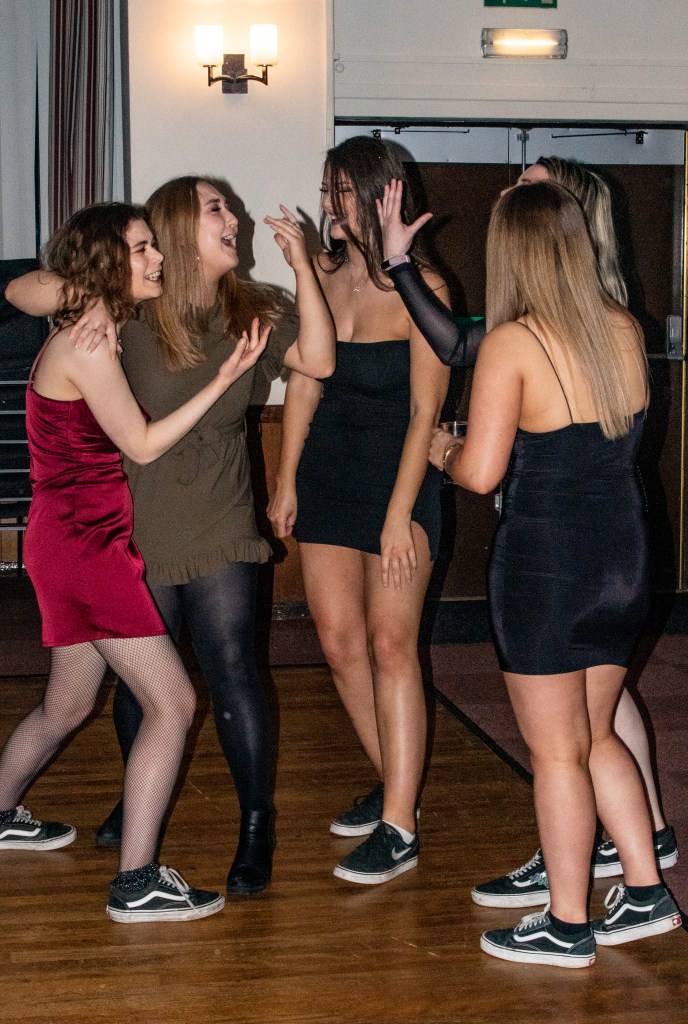
Included below are images taken by myself and my group. I believe that the photos are linked by both being captured using a flash at real parties thrown by young people, and within the images you are able to see the current fashion trends of today. To make the photos a realistic representation of a young persons party, both my group and I’s photos are candid.
I gained permission from my client to post the images included in this post. The images included first in this post have been captured by Angel Rodger and Charlotte Akrill, and the ones further down have been captured by myself.
Whilst in a module session (on 27/01/19) we were asked to work collaboratively on a task with students on the BA (hons) Creative Writing course. We formed small groups consisting of two photography students and one creative writing student, with my group consisting of myself, Courtney Burkinshaw (from photography) and Hannah Price (from creative writing).
The task involved responding creatively using either photography or a piece of writing in any way that we saw relevant, and to post these responses in an app named Cluster. Our responses could have been inspired by ideas, themes, an aesthetic, content, structure, or subject matter.
We were encouraged to work quickly on the task, with a just a twenty minute time limit to post our responses, encouraging the formation of quick creative concepts rather than polished work.
When working on the task I found it easy to work with the other members of my group, as we all remained focused for the duration of the task and stuck to the time limit set, allowing work to be produced in a consistent flow. Due to our group being productive and consistent we didn’t experience any major issues. Courtney and I stayed together for the duration of the task and therefore were able to share ideas if we struggled to come up with responses, but we rarely found lack of ideas to be an issue.
Due to the time limit, I found that I had to form my ideas quickly and that I often photographed the first relevant matter that I saw. Although I am happy with the concepts behind my responses and the sequence our group formed, I usually like to take my time when photographing to produce quite polished imagery, and I don’t think this is reflected in my responses. In summary, I think the work I produced is relevant to my groups responses, but I personally do not value it.
To conclude, I enjoyed this experience as I found it interesting and beneficial to work with an individual with a different skillset. Through this collaboration we produced a varied response of both writing and photography, which could be viewed as being more interesting than just being photography alone, and we were able to use each other’s ideas to inspire new ones. In the future I would definitely like to collaborate again with creatives working in different mediums to make use of both of our skillsets and to allow for more varied artistic responses.
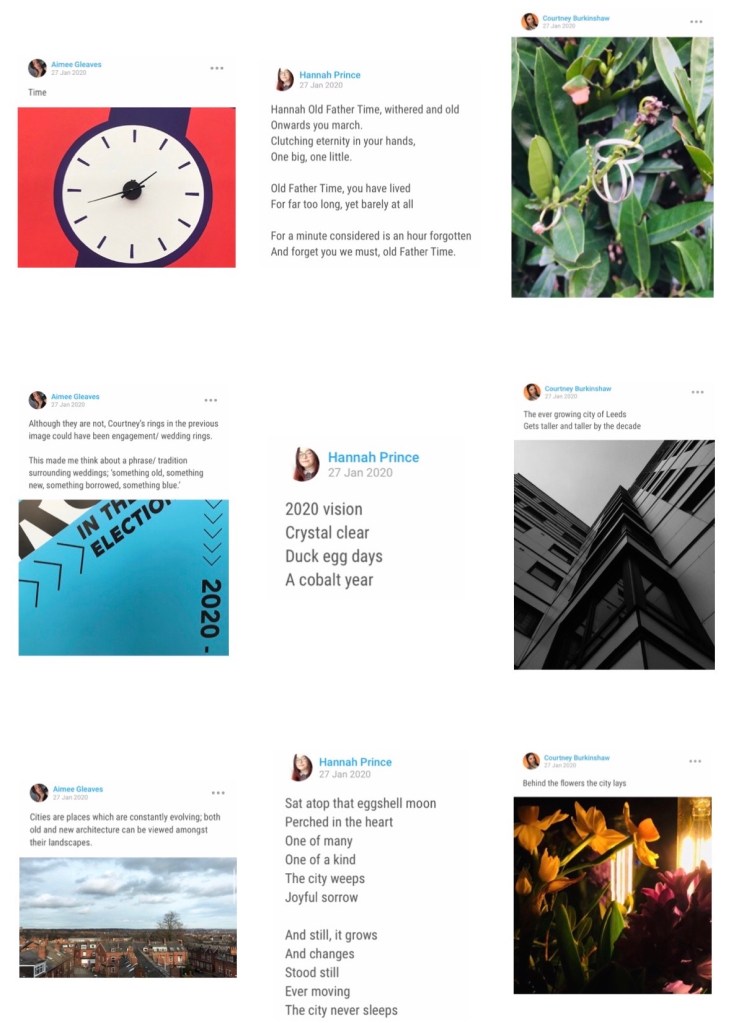
Included below is an image compiling all of our responses from Cluster. The order of our responses goes from left to right and then down to the next row, and so on.
I’m not particularly sure how to start this post, so I’ll just jump straight into it! As you are aware, my name is Aimee Gleaves and I am studying Photography at Leeds Arts University. I made the decision to come to move away from my hometown and to come to university not only to develop further as a photographer, but to give myself a new level of independence and confidence which can be achieved by living alone.
From my choice of study, you can probably tell that I am greatly interested in photography. When it comes to what I like to photograph, I reguarly find myself travelling to new places and photographing things which catch my eye, often through the use of analogue cameras. I also often complete fashion shoots on location, and dabble in documentary, fine art and portraiture photography. I’m hoping that whilst I’m at university I’ll grow more confident in the use of the studio, that I’ll continue to find my personal photographical style, and that I develop my technical skills and confidence further for when I professionally enter the photography industry.
As for the type of person that I am, I would consider myself to be quite an outgoing, open, and honest person. A strength of my personality is that I work hard towards my personal goals (and maybe even sometimes too hard, as I tend to put a lot of pressure on myself) and I know what I want to achieve in my life. I’m also quite an emotional person, which definitely has its pros and cons! I would say some of the weaknesses of my personality are that I am often too hard on myself and that I don’t always believe in my abilities.
After completing my undergraduate degree I hopefully plan to work towards gaining a Post Graduate Certificate of Education, as possessing this qualification as well as my Undergraduate degree will help to give me more employment opportunities. To achieve entry onto a PGCE course I will need a first class or second class honours from my current degree, and I would personally like to achieve a minimum of an upper second-class honours. To achieve this I plan to remain focused and try my hardest with all of the work which I receive over the duration of the course.
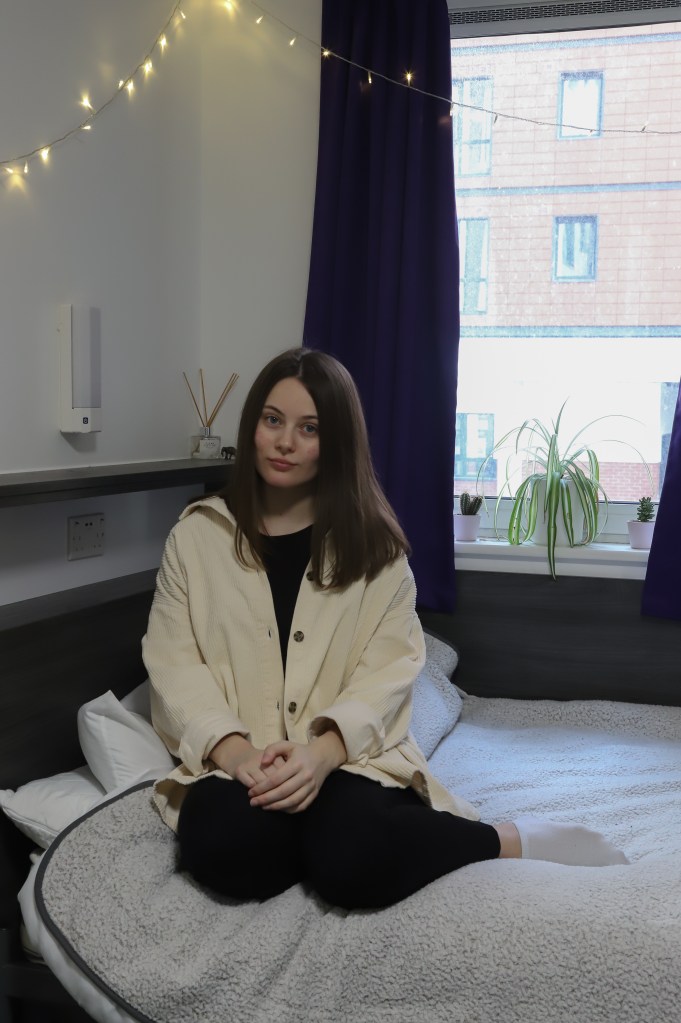
Included below is a self-portrait, which I captured using the self-timer setting on a DSLR positioned on a tripod. I decided to capture this image in my bedroom as I feel that a persons personal space can communicate a lot about them. For example, I feel that it is clear that I am quite an organised person through how ‘put together’ and tidy my room is. Moreover, I photographed myself sat on my bed in quite relaxed clothing (and wearing no makeup) to reflect the fact that I am fairly laid back in my personal style, and that I value being comfortable. I don’t wear makeup most days and the outfit I’m wearing is an example of one that I wear day-to-day; so I feel that this self-portrait is a very realistic representation of myself.

 aimeegleavesphotoppp1